Fifty Years of Herstory
An Interview with Ingrid Wendt by Anaïs Godard
Get the 50th anniversary issue of CALYX Journal here
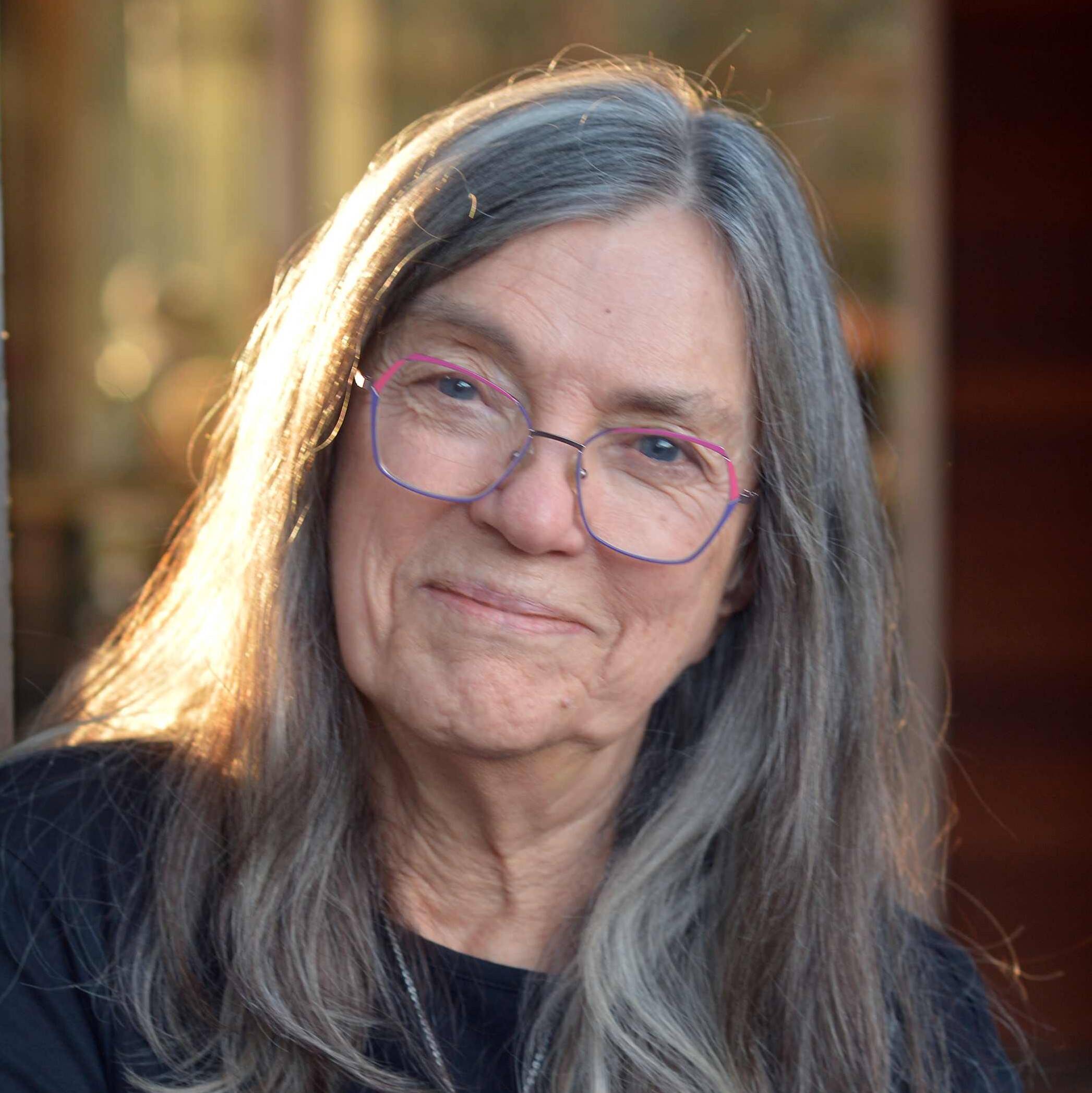
Poet, essayist, and longtime CALYX contributor, Ingrid Wendt has been part of the journal’s life since its very first issue in 1976.
As both a writer and a former board member, she has witnessed CALYX from the inside and from the page, helping shape its artistic and feminist vision across five decades.
This is only the beginning.
Q1: You’ve been published by CALYX since its very first issue. As a contributor, what did CALYX see in your work, or ask of it, that you didn’t find elsewhere?
Seven of my poems have appeared in CALYX over the years, beginning with Volume I, Issue 1, in 1976, along with nine prose pieces, mostly reviews. As I’ve grown, my work has grown too, expanding to include motherhood, politics, and the death of my husband, much as CALYX itself has grown in the astonishing range of women’s writing it has celebrated.
My first CALYX poem, “Cinderella Dream at 10,” was feminist in spirit but not written as protest. At the time, women’s journals often favored overt complaint. This poem described my childhood idolization of Disney’s Cinderella, and my unconscious fear for her, which took the form of a recurring dream. The Big Bad Wolf was about to devour her. I saved her by opening the car door but paid the price myself: the wolf ate my legs.
I didn’t care what Freud or Jung might say. I knew the dream meant something, and I knew I needed to share it and no mainstream journal would touch the poem it became. CALYX did.
From the beginning, CALYX trusted women to speak their own realities, not to serve an agenda but to give shape to their experiences. I think of Muriel Rukeyser’s line: “What would happen if one woman told the truth about her life? The world would split open.”
Women’s truths are rarely tidy or trendy. I bless all the CALYX editors, past and present, who trusted the uncomfortable truths and the small wonders, the fierce and quiet beauties of women’s lives. Congratulations on fifty years of relevance, courage, and joy.
Q2: As a board member, you saw the work behind the scenes. What did that labor reveal to you about CALYX’s purpose?
Serving on the board from 2011 to 2014 was humbling. Margarita Donnelly was still at the helm, surrounded by deeply committed volunteers who devoted enormous amounts of time and care to the journal.
I had previously been a volunteer reader, and for the record: no manuscript was rejected casually. Every piece received at least two ‘no’ readings and thoughtful discussion, no small task given the volume of submissions.
What surprised me most was learning how much personal sacrifice went into keeping CALYX alive. I hadn’t known how much of her own income Margarita contributed, or how simply she lived as a result. I also gained new respect for the fundraising labor: phone drives, events, quiet relationship-building that readers rarely see but without which the journal could not exist.
One meeting stands out vividly: a long, impassioned debate about magazine size and whether CALYX could afford full-color inserts and a color cover. The decision that emerged, smaller trim size but color preserved, shaped the journal we know today.
Women’s truths are rarely tidy or trendy.
Q3: You organized the art insert featuring women’s street art from Akumal, Mexico (Vol. 32:2). What drew you to that project, and why did it feel like a CALYX story?
While on a writing retreat in Akumal, a small Caribbean community in Mexico, I discovered more than a hundred murals painted by international artists, nearly half of them women, in a working-class village most tourists never see. These murals were created through grassroots organizing to honor local residents and beautify the community.
What struck me was how deeply many women artists had researched the region’s cultural history. Across countries and styles, a shared theme emerged: female strength, human and mythic, woven into the sacred landscape of the Maya.
I immediately thought of CALYX. The journal has always welcomed boundary-pushing art, from its 1980 International Issue to its early publication of Frida Kahlo’s work in color. I also saw parallels to artists like Betty LaDuke, whose work, long featured in CALYX, draws on myth, ancestry, and resilience.
These murals, like the literature CALYX champions, insist on the dignity and complexity of women’s lives, even when they don’t conform to cultural canons. How could I not want to bring them into conversation with CALYX readers?
Q4: What does this moment in history demand from feminist publishing?
More than ever, we need what CALYX has always offered: rigorous, courageous truth-telling rooted in women’s lived experience, especially marginalized women. Immigrant women, Indigenous women, women of color, queer and trans women, disabled women, working-class women.
We must show the full range of their humanity, not only oppression but joy, love, daily life. Their love and how they come to terms with death. This is just the beginning.
Q5: Is there anything else you’d like to add?
I bless all the editors of CALYX, past and present, who have encouraged women artists to “sing” their realities in their own voices and with their own hands, and who have challenged the literary artistic canons that would silence them.
I am grateful to the sister writers and artists with whom I’ve shared this long, beautiful project of building community through courage, love, and imagination. And I thank the countless editors, readers, and volunteers who have brought each stunning issue into being.
Congratulations, CALYX, on fifty years of bringing women’s writing and art, its power, beauty, and joy, to the world.
Anaïs Godard is a Franco-American writer based in Los Angeles, CA, and former television producer who spent a decade interviewing celebrities. She is the 2025 Mike Resnick Memorial Award winner and a Letter Review Prize recipient. Her work has been published in McSweeney’s, Hobart, Fractured Lit, and elsewhere.