
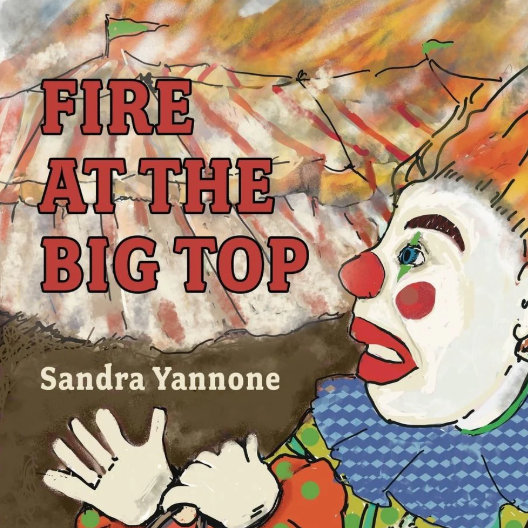
Fire at the Big Top by Sandra Yannone
Sandra “Sly” Yannone’s Fire at the Big Top arrives eighty years after the Hartford circus fire of 1944—a disaster that claimed 167 lives beneath a canvas tent soaked in paraffin and gasoline. Yannone’s own father was in attendance that day and survived. The book is a eulogy to his childhood innocence and the smoke-filled trauma that never quite left him. His story weaves through that of his poet daughter. The flames of his fire meld into hers. The heat of human passion ignites her own tangled relationship of combustible desire.
Review of Julia Alvarez’s Visitations by Anaïs Godard
I approached Visitations with a little apprehension.
Poetry and I have always had a complicated relationship. I love it, but I often find myself standing outside it, knocking politely on the door, asking what it means. I’m a linguist and semiotician by training. My instinct is to decode. To follow the trail of breadcrumbs. To find the hidden key.
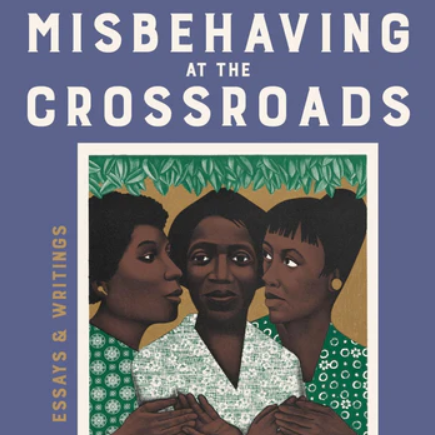
Review of Honorée Fanonne Jeffers’ Misbehaving at the Crossroads by Beth Brown Preston
What I admire most about Honorée Fanonne Jeffers’ collection of essays, Misbehaving at the Crossroads, is her critical voice and the intellectual acumen with which she writes on each important topic—from essays on our country’s current political dilemmas to commentary on the literature of the great Toni Morrison.
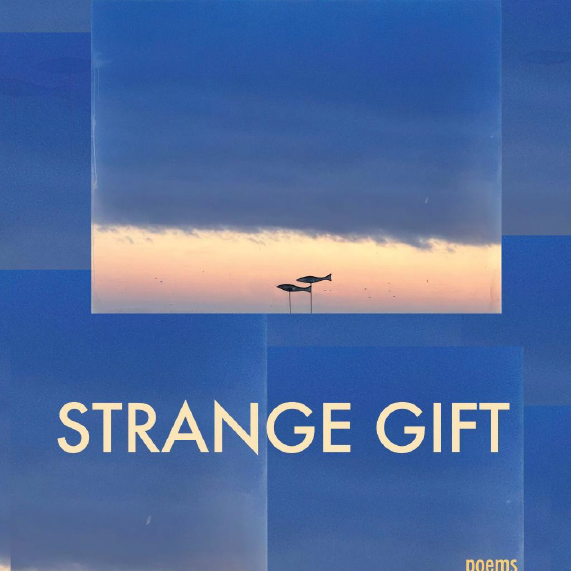
Review of Veronica Kornberg’s Strange Gift by Paola Bruni
Every living thing is just a bit odd. Strange, in fact. Which is why the cover of Veronica Kornberg’s masterful debut, Strange Gift, strikes a chord of resonance: two fish traverse a cobalt sky, a cloud-encrusted horizon, grit of salt on a window pane.
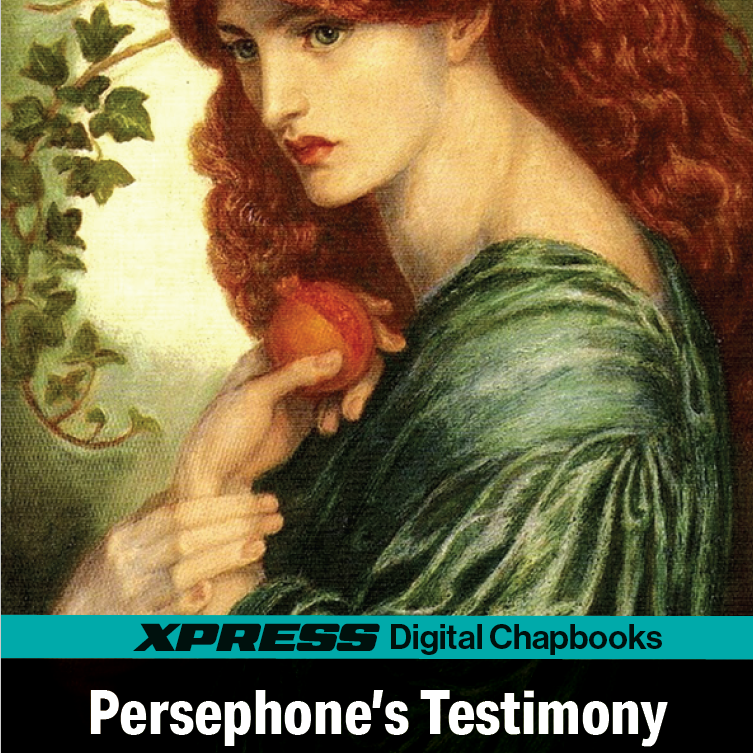
Review of Sibyl James’s Persephone’s Testimony by Dayton J Shafer
Greek mythology is a tough place to be a woman.
Medea, Antigone, Medusa—jilted, gaslit, transformed into an inhuman monster—yet Persephone’s tale of imprisonment and incest, followed by aching tastes of tiny freedom, may just be the rotten pomegranate.
Review of Ellen Stone’s Everybody Wants to Keep the Moon Inside Them by Jean LeBlanc
I thought I saw a needle flare in my grandmother’s hand. / Instead, it was a bookmark from her bible lying open there. Ellen Stone’s poem, “A wrist, a wren, a small knife” from her collection Everybody Wants to Keep the Moon Inside Them is composed of this technique of one image morphing into another, a metamorphosis of perception as the speaker tries to process their surroundings.
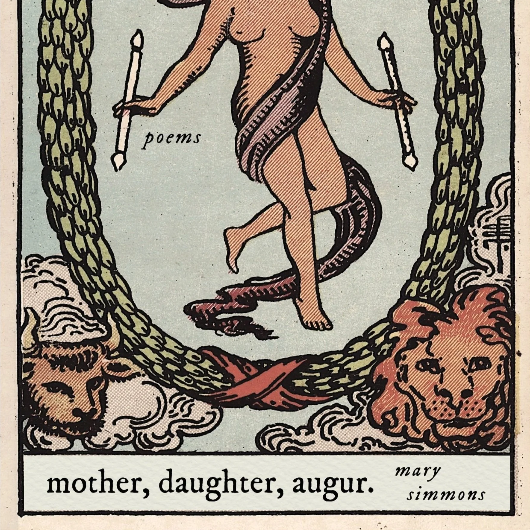
Review of Mary Simmons’ Mother, Daughter, Augur by Christopher McCormick
In her debut poetry collection, Mary Simmons weaves a lyric tapestry of mysticism, mythology, and herstory that revels in the arcane and natural worlds alike. Her book is peopled with women who tell fortunes with the help of insects, pile their bedrooms with corpses, and tell each other stories while we shake / last year’s storms from our wings (“Witches in Love”).
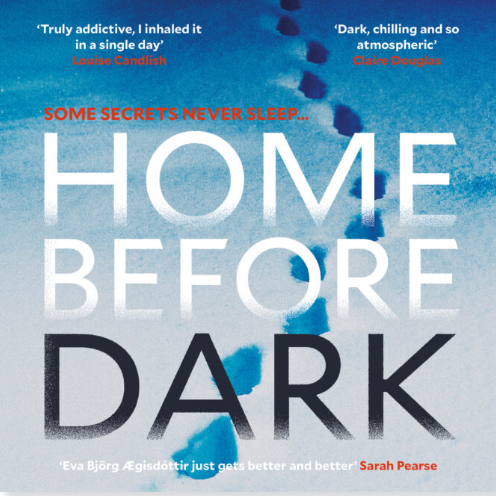
Review of Eva Björg Ægisdóttir’s Home Before Dark by Samantha Smith
This is a book meant to be read more than once, the first time for the sheer thrill of the mystery and the second to see how it was possible to miss the obvious clues. Eva Björg Ægisdóttir brings to life the eerie and darker parts of the Icelandic countryside in Home Before Dark.
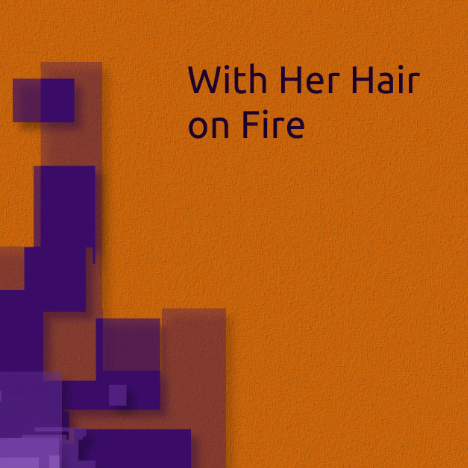
Review of Christy Prahl’s With Her Hair on Fire by Ellen Stone
I’m sure it is the times we are living through, but I crave straight talk these days, including in the poetry I read. The believability factor in Christy Prahl’s small, sweet book of prose poems With Her Hair on Fire is matched only by its vigor.
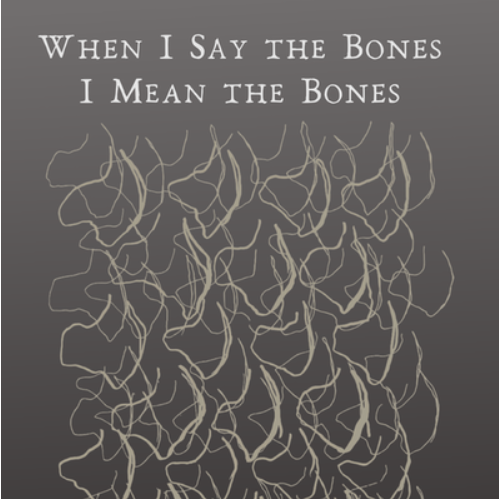
Review of Amanda Hawkins’ When I Say the Bones, I Mean the Bones by Alisson Nolan
Amanda Hawkins’ When I Say the Bones, I Mean the Bones highlights themes of loss and humanity while exploring how the human beings, like all natural and living things, are interconnected under a shared experience. They do this by presenting readers with the mortal experience against a fragile background; if humans are a piece, then the earth is the puzzle.
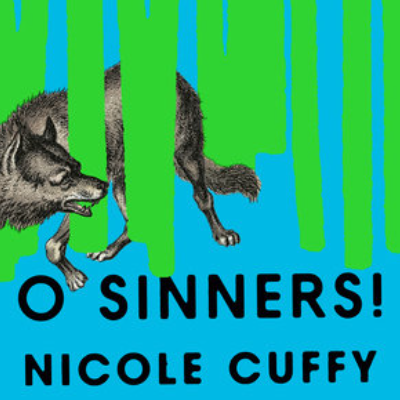
Review of Nicole Cuffy’s O Sinners! by Savannah Brooks
Given the endless musings on life and death that humanity has penned over the past eon, it can be difficult for a new title to contribute to the conversation in a way that feels fresh. But Nicole Cuffy’s O Sinners!, published by One World in March 2025, meets that challenge with teeth bared. It weaves mystery, philosophy, and a touch of magic into a multi-genre structure, all while stripping mortality from its usual dance partner, morality, and adding in new choreography: that of beauty.
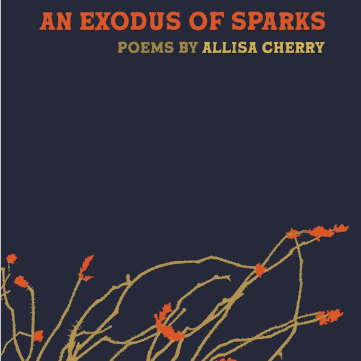
Review of Allisa Cherry’s An Exodus of Sparks by Eileen Pettycrew
Allisa Cherry’s debut collection, An Exodus of Sparks, offers readers a riveting account of faith, loss, and fierce familial love. Using vivid and precise detail, clear syntax, and a diction both biblical and contemporary, Cherry achieves an emotional clarity that sizzles on the page and cuts to the heart.
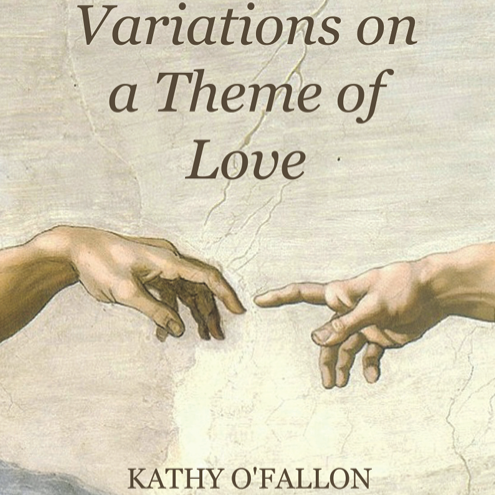
Review of Kathy O’Fallon’s Variation on a Theme of Love by Lisa Low
Variations on a Theme of Love explores a variety of kinds of love—love for boyfriends, husbands, children, grandchildren, dead brothers, beloved mothers, horses, dogs, fruits and flowers, and, perhaps most importantly, self—in a selection of thirty exquisitely written jewelry box-like poems.
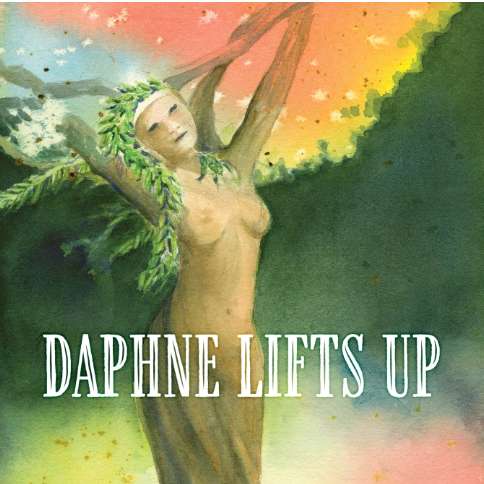
Review of Donna L. Emerson’s Daphne Lifts Up by Gale E. Hemmann
Donna L. Emerson’s Daphne Lifts Up captures the moment that a woman’s voice rises into song—and soars. This luminous and deeply rooted collection of fifty-seven poems is alive with attention and the music of feeling. It reads as both a biography of a family and ultimately a concerto of a poet watching, and listening, across decades.
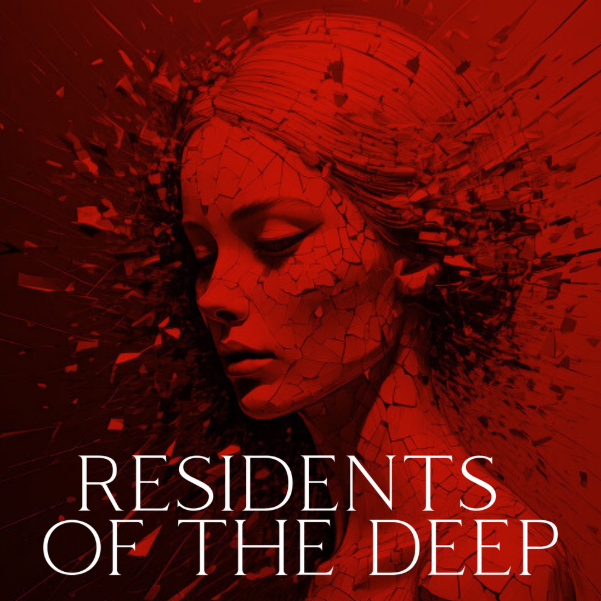
Review of Marianne Villanueva’s Residents of the Deep by Anaïs Godard
Marianne Villanueva’s Residents of the Deep is a collection of short stories that reads like a shape-shifting archipelago. Each piece is distinct, self-contained, and yet clearly part of a larger submerged formation.
Review of Skye Jackson’s Libre by Emily M Goldsmith
Skye Jackson invites readers into her debut collection with her award-winning poem, “can we touch your hair,” stumbling down the packed streets of New Orleans during a parade. The atmospheric chaos of the poem’s beginning, moments of parades, cold, and smashed, compounds when two white Southern women accost the speaker. An observer to this recounted interaction, the reader confronts barriers to the book’s title, Libre, or freedom.
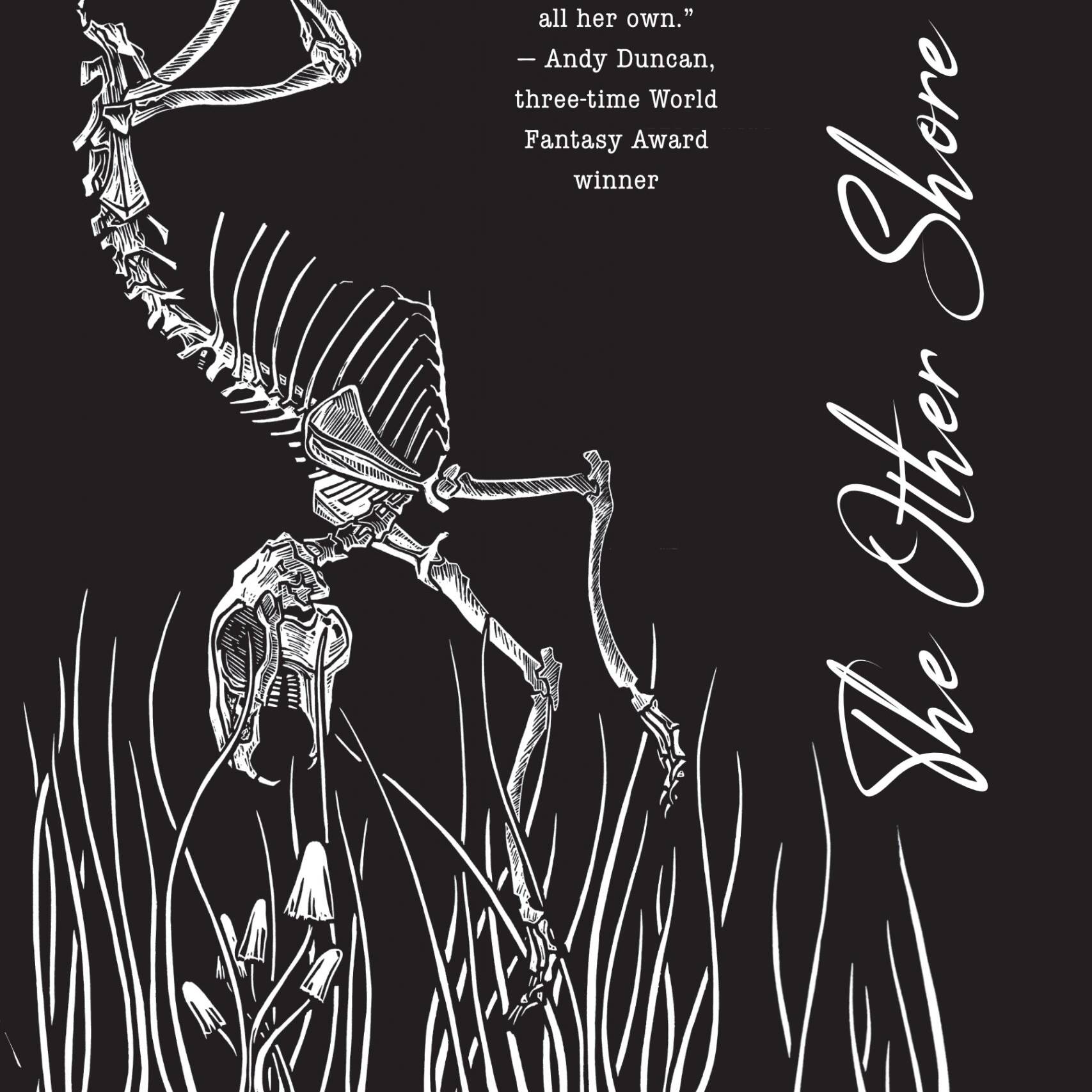
Review of Rebecca Campbell’s The Other Shore by Jan Priddy
The winner of the 2023 Ursula K. Le Guin Prize for Fiction and a Philip K. Dick Award finalist for her novel Arboreality delivers a truly astonishing collection. Rebecca Campbell, who labels herself “a Canadian writer of weird fiction,” sometimes leads readers gently into the hearts of troubled and lost souls, sometimes pushes us with ferocious energy into terrifying futures.
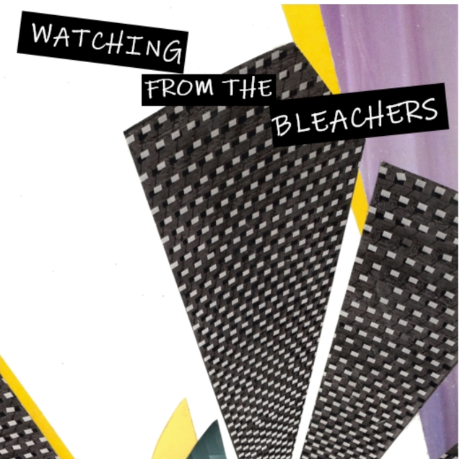
Review of Eileen Ivey Sirota’s Watching from the Bleachers by Gale E. Hemmann
In Watching from the Bleachers, poet Eileen Ivey Sirota deconstructs the act of seeing—calling out our subjective vision: who frames what we see, what we miss, and what’s maybe moving just outside the frame. The pandemic setting amplifies everything. For poets like Sirota, when the world fell apart, new worlds split open, and unexpected movement stirs in the margins.
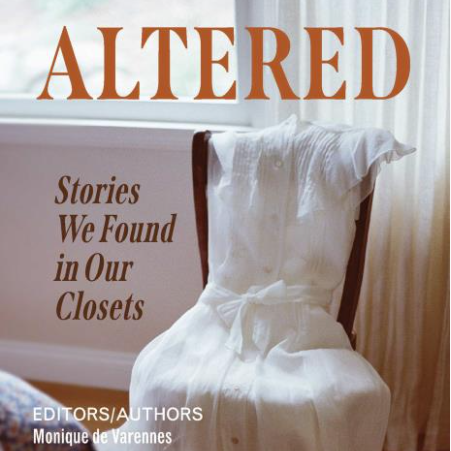
Review of ed. Monique de Varennes, et al.’s Altered: Stories We Found in Our Closets by Robin Kish
Do fashion choices really matter? In the eternal human quest for meaning and value, where does adorning ourselves fit? So asks Kathlyn Hendricks in the forward to Altered: Stories We Found in Our Closets, an anthology of essays and poems that examine the often complex ways in which clothing has impacted the writers’ lives.
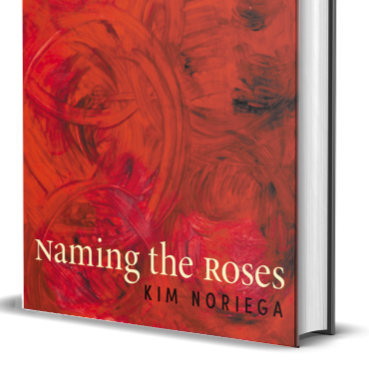
Review of Kim Noriega’s Naming the Roses by Emilie Lindemann
When poet Kim Noriega’s full-length collection Naming the Roses (AIM Higher, 2024) arrived in the mail, I saw only roses on the cherry-red cover featuring an intuitive painting by Sarah Luczaj. As I read the poems in this collection, I realized what an absolute privilege it is for me to hold a book with red circular smears on its cover and think only of a bouquet of roses, not blood.
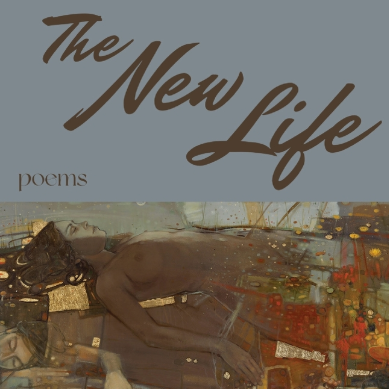
Review of Wendy Wisner’s The New Life by Brenna Crotty
If you want a reader to appreciate the difficulty of starting over—of painfully building trust, allowing in love, letting go of grief—you have to start where it hurts.
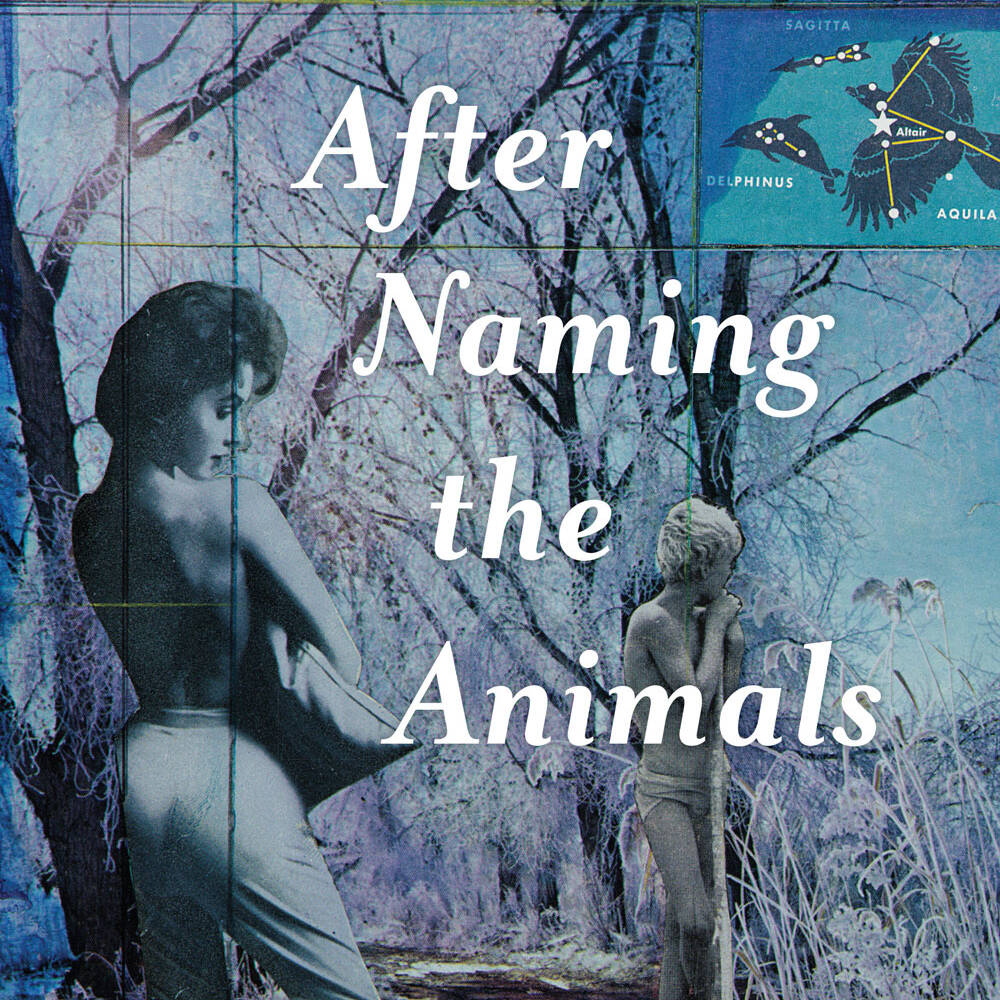
Review of Barbara Ungar’s After Naming the Animals by Jackie Craven
In the beginning, a Barbie doll tells us, there was no beginning. No time. No world. She is a Kabbalah Barbie, a fragile toy molded from plastic. Yet she speaks to humanity about Ein Sof—boundless nothingness—and the genesis of life. I pause to mull the paradox and mystery. Barbara Ungar’s sixth book of poetry, After Naming the Animals, weaves ecology, allegory, spirituality, and science into a plea for a dying planet.
Review of Mary Ruefle’s The Book by Ruby Wang
Mary Ruefle doesn’t accept “Mary” as her name in “Untitled,” the first poem of The Book. She wonders if others refer to her as “Mary” merely because they’ve heard others do so. She theorizes her naming originated from another woman named Mary, who maybe isn’t named Mary, either: never once in my dreams have I called her Mary, which, I suspect, is not her name, or if it once was, is no longer.
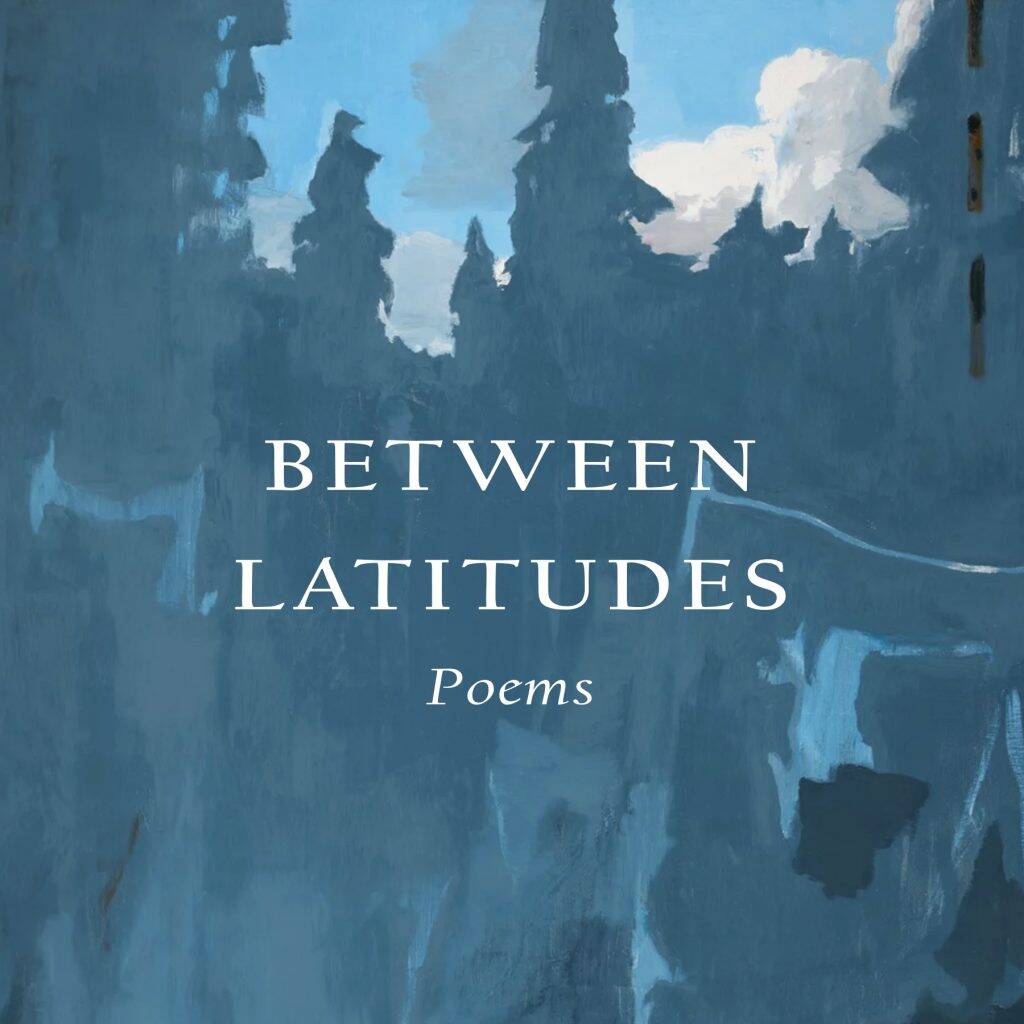
Review of Michelle Latvala’s Between Latitudes by Dayton J Shafer
Much like its titular terrain, Michelle Latvala’s debut poetry collection Between Latitudes is vast and untamable—a compelling compilation of environmental stewardship, embodied spirituality, and portrait of an artist in a blazing world. These poems are naked, soulful love letters—odes to the wild world, to those closest to her, to her animal body and the artist bursting forth.
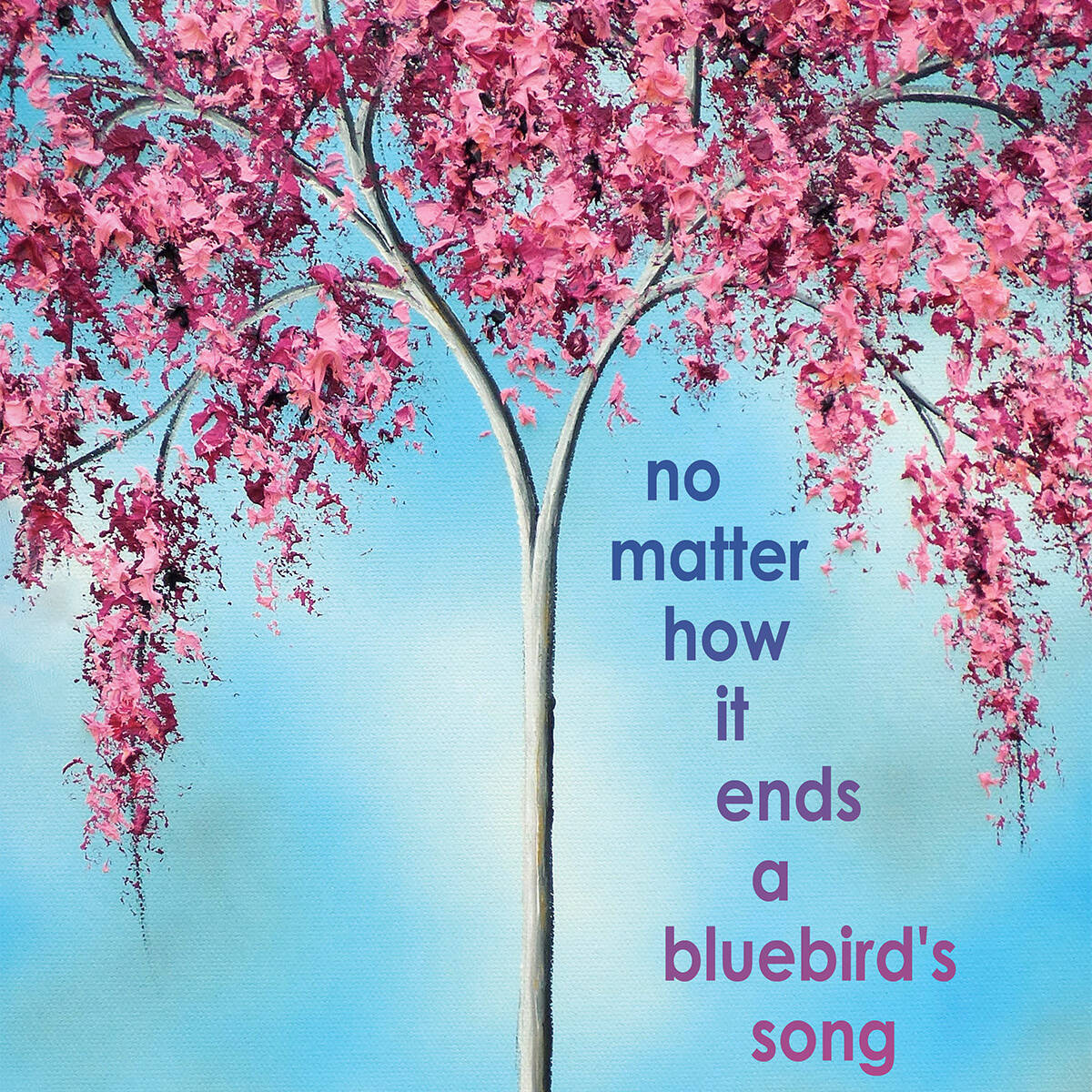
Review of Kat Lehmann’s No Matter How It Ends a Bluebird’s Song by Chantelle Flores
No Matter How It Ends a Bluebird’s Song lilts across the pages much like a bluebird’s song, short and sweet, while holding the impact of unexpected juxtaposition. Each stanza and line represent a common emphasis on the haiku’s ‘turn’ in their juxtapositions of the body to natural image and metaphor.
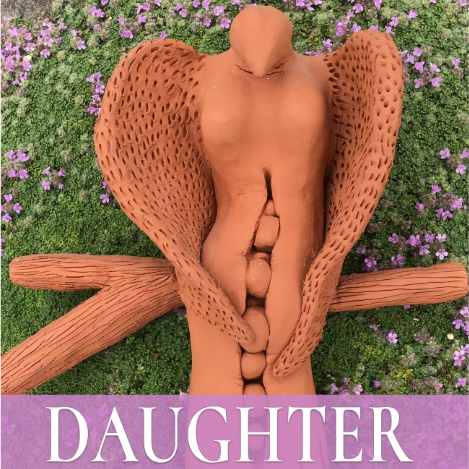
Review of Maureen Eppstein’s Daughter by Charlotte Gullick
In this collection, readers are offered a rich, poignant evolution of emotion concerning women and the ways they are buttoned up into silence, especially concerning their own bodies and grief. Daughter has a compelling arc, inviting readers into the emotional journey of new bride, pregnant immigrant, mourning-in-silence almost-mother, and finally, reflective and coming-to-terms older woman.
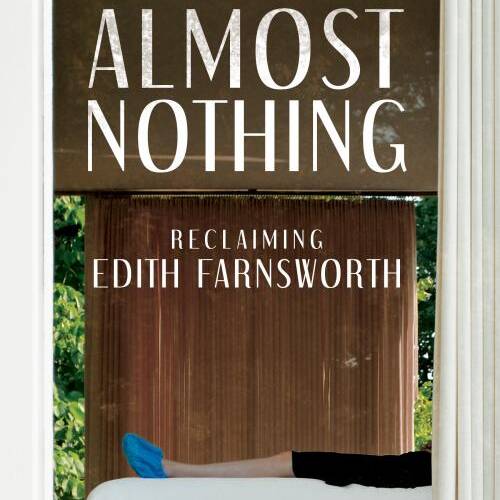
Review of Nora Wendl’s Almost Nothing: Reclaiming Edith Farnsworth by Elissa Greenwald
The Farnsworth House is an icon of modern architecture. After a model of the house was exhibited at the Museum of Modern Art in 1947, it was built for Edith Farnsworth by Mies van der Rohe (commonly referred to only by part of his last name, Mies) in Plano, Illinois, an hour outside Chicago. The glass-walled, one-room house was an early adumbration of Miesian theories of architecture such as “less is more.” When the author first sees it, it looks to her not like a house but a land-locked ship.
Review of Anneysa Gaille’s Once Upon a Cicada Moon by Erika Kielsgard
Part folklore, part ballad, and part long-form poem, Once Upon a Cicada Moon by Anneysa Gaille is a feminist, visionary, and experimental first book. In the author’s note, Gaille writes that her home state of Texas has the highest number of rape cases in America, last reported in 2023.
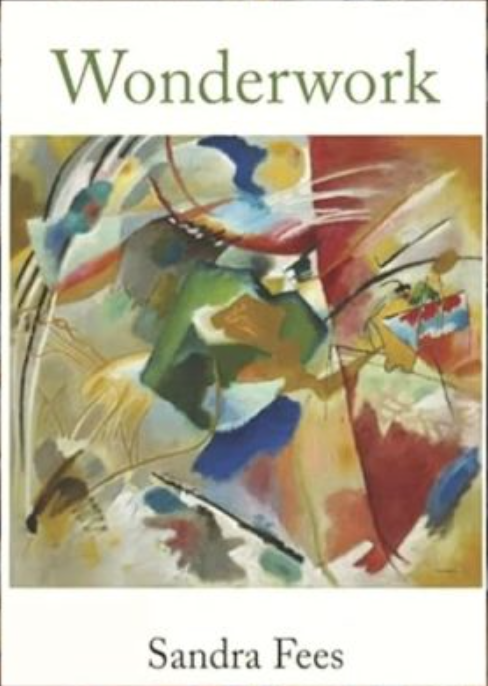
Review of Sandra Fees’ Wonderwork by Laurel Benjamin
If tone can be captured, Sandra Fees has gently pinned it down the way one would an insect. There is an exactitude. In her first full-length collection Wonderwork, published by BlazeVOX Books, the author opens up a mystery with lyric vocabulary, choice of words, and pairings of words and phrases, part and parcel with her ear.
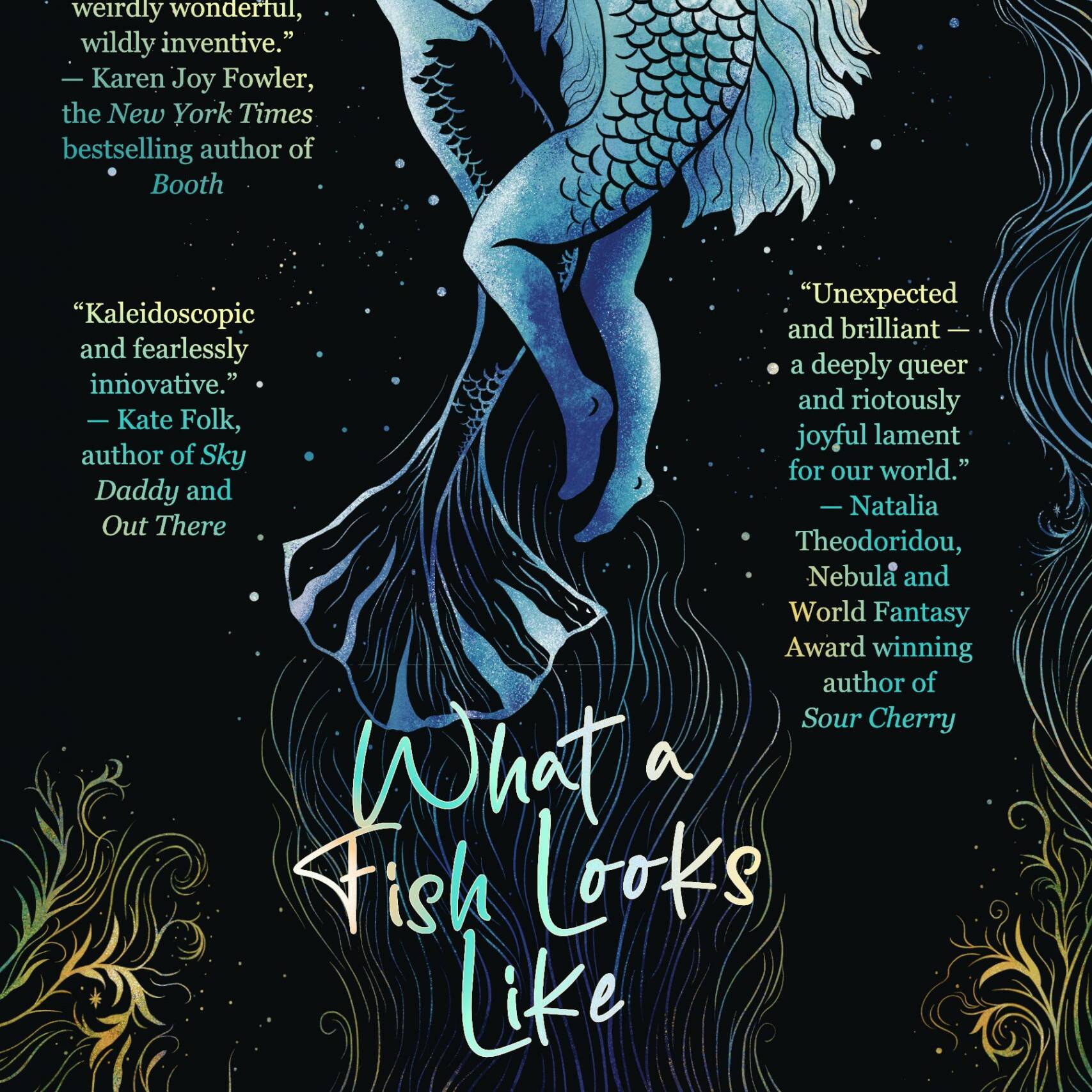
Review of Syr Hayati Beker’s What a Fish Looks Like by Jan Priddy
Queer, surreal, and dystopic, What a Fish Looks Like traces the end of the world as we know it through a small group of people trying hard to survive the death of forests and oceans, of everything they thought mattered. The world is burning, vine growing before their eyes, and no going back.
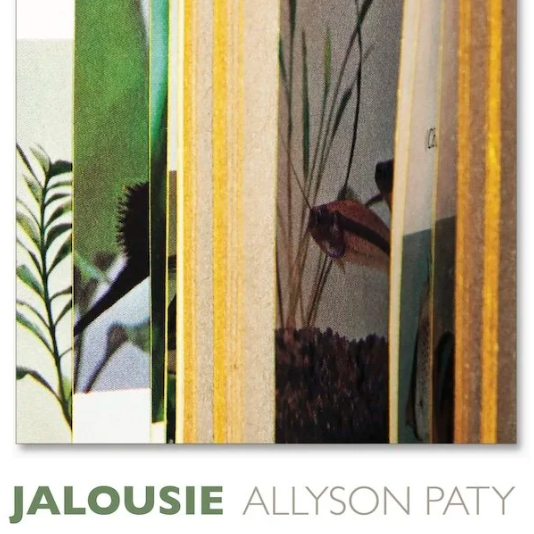
Review of Allyson Paty’s Jalousie by A. Anupama
At first I thought the title of this poetry collection, Jalousie by Allyson Paty, meant the kind of window made up of glass slats that tilt open within a frame, slats that look like blinds in structure but that comprise the window. Sometimes frosted, sometimes clear. Glass louvres.
Review of Jaydra Johnson’s Low: Notes on Art and Trash by Anaïs Godard
Jaydra Johnson’s Low: Notes on Art & Trash is not the book I expected, and thank god for that. I came in bracing for a detached artsy dissection of garbage-as-medium—the kind of thing that smells faintly of gallery wine and performative despair. What I got instead was a propulsive, poetic love letter to the discarded: women, whores, the poor, the broken, the lowborn, and yes, trash itself.
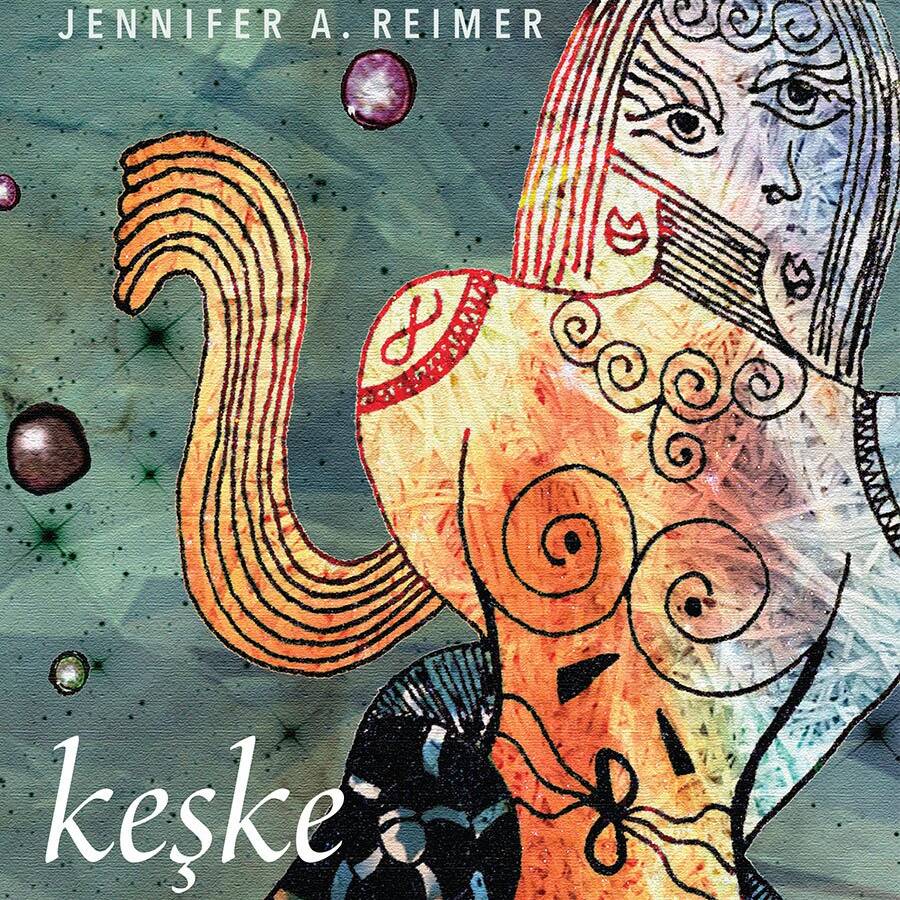
Fragment and Shore: Interview with Jennifer A. Reimer by Piotr Gwiazda
In Keşke (Airlie Press, 2022) Reimer explores the theme of migration through the lens of her European sojourns, especially in Turkey and Denmark, but ultimately hers is a story of linguistic migration, as is clear from the following interview. As Mia You notes on the back cover, through its attention to the movement and fluidity of language, Keşke offers the generous and generative space of the necessity and impossibility of translation.
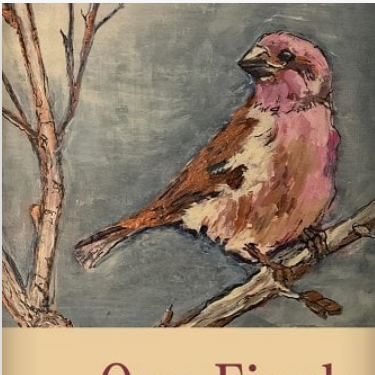
Review of Emily Ransdell’s One Finch Singing by Jennifer Dorner
Like a cup of spiced tea, or like a stiff dram of whisky in an ice-cold highball glass on a rainy night when your faith has seized up inside you, the poems in Emily Ransdell’s debut collection, One Finch Singing, arrive like comfort from a friend.
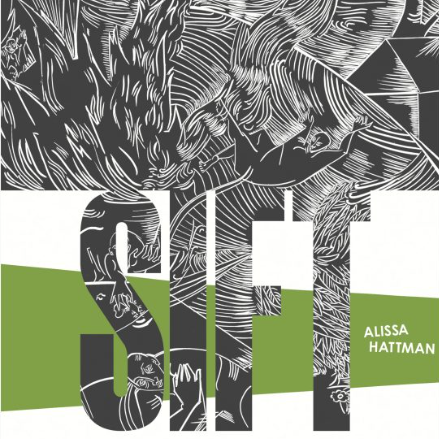
Review of Alissa Hattman’s Sift by Jan Priddy
Dedicated to the author’s mother, Sift by Alissa Hattman is the story of leaving a mother behind, of seeking safety, and of climate despair. The narrator escapes her life in a damaged world by joining The Driver. Together they head overland to water, to sand, to stone, to river to desert to mountain to shore and to green.
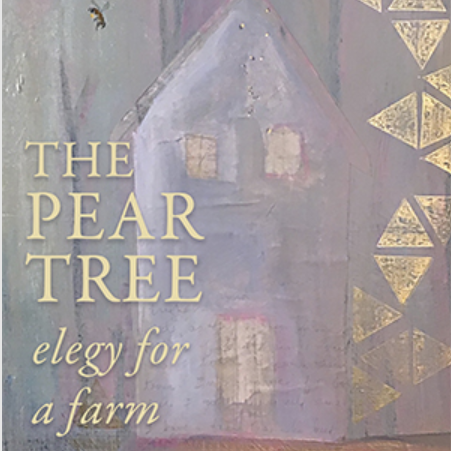
Review of Bethany Reid’s The Pear Tree by Colleen Hull Gray
Reid chronicles stories of her life on a farm in Southwest Washington and the three generations of her family who lived there. The house we grew up in was large, multi- / syllabic. It babbled and raved / in more than one language. (“A Haunted House”).
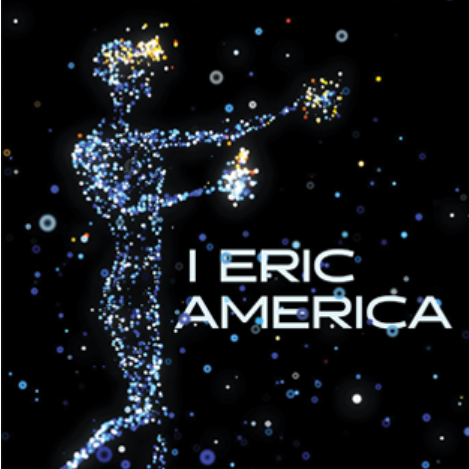
Review of Diane Raptosh’s I Eric America by Debbra Palmer
In more than forty brilliantly innovative sonnets, Raptosh makes the connection between personal and national trauma. A family is shattered. A nation is rocked. In the process she names names, assumes a role, and points to the broken parts of a damaged collective body.

Review of Jayne Marek’s Dusk-Voiced by Lisa Low
Jayne Marek’s lovely, thoughtful, deeply intellectual new book of poetry, Dusk-Voiced, offers the pensive reader twenty-four philosophical meditations not only on the nature of nature, but on humanity’s often troubled relation to it.
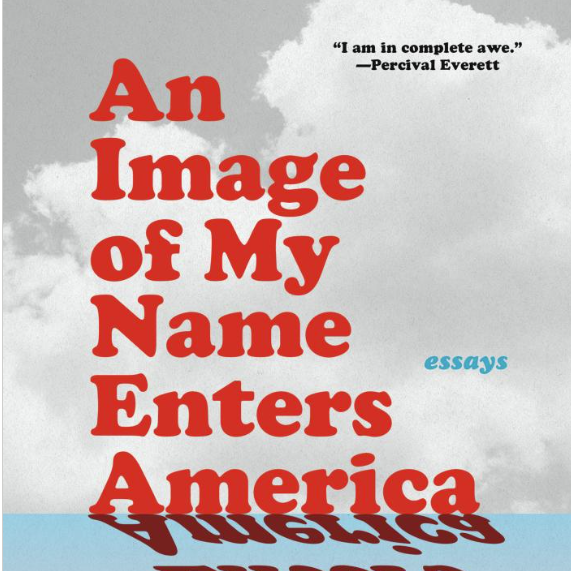
Review of Lucy Ives’s An Image of My Name Enters America by Justine Payton
Vulnerable and intimate, An Image of My Name Enters America reveals how we become—oftentimes unknowingly—a reflective image of the dominant forces around us.
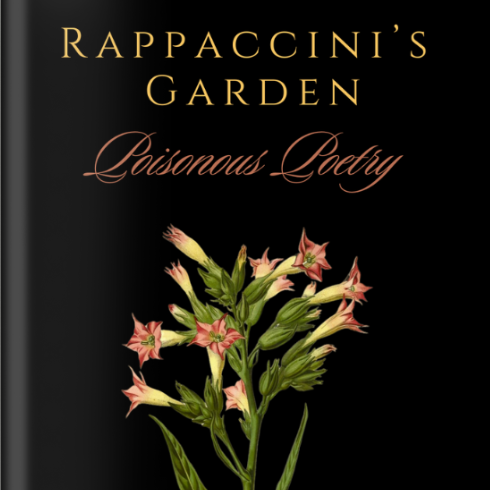
Review of Jules Jacob and Sonja Johanson’s Rappaccini’s Garden by Suzanne Langlois
To open Rappaccini’s Garden: Poisonous Poetry is to step through a wrought-iron gate into an enchanted place. The chapbook, a collaboration between master gardeners Jules Jacob and Sonja Johanson, is structured like a botanist’s field notebook.
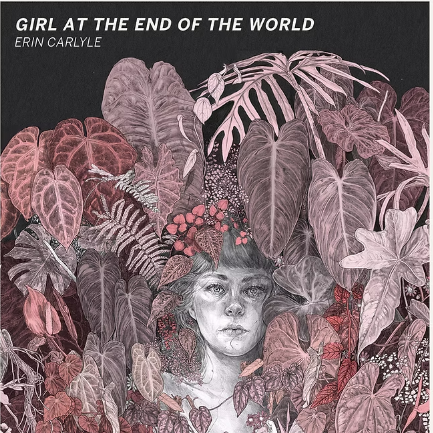
Review of Erin Carlyle’s Girl at the End of the World by Lisa Boylan
Girl at the End of the World, a collection of poetry by Erin Carlyle, plunges the reader into the depths of memory, trauma, and the search for identity. Each poem serves as a poignant vignette, exploring themes of opioid addiction, childhood, familial relationships, broader environmental grief, and the struggle for survival.
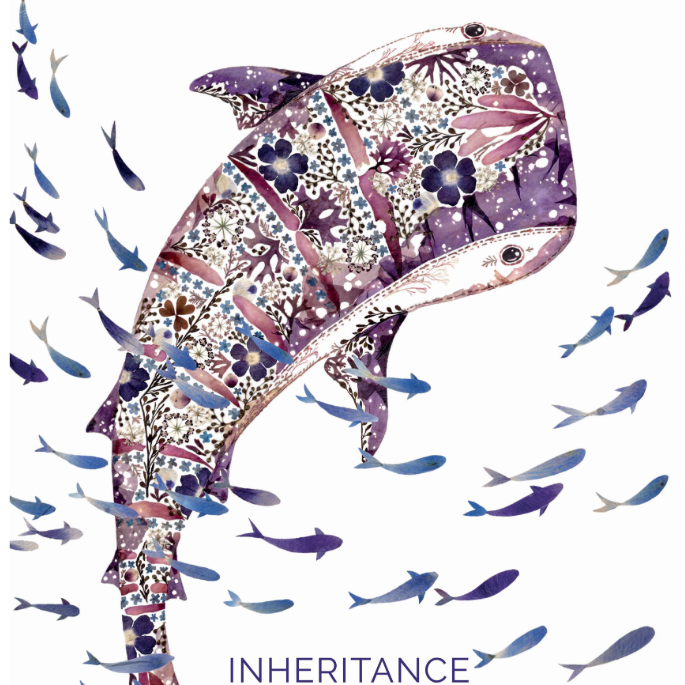
Review of Jen Karetnick’s Inheritance with a High Rate of Error by Susanna Lang
How do you keep going when you know that the world is hurtling toward disaster? If you’re Jen Karetnick, you write.
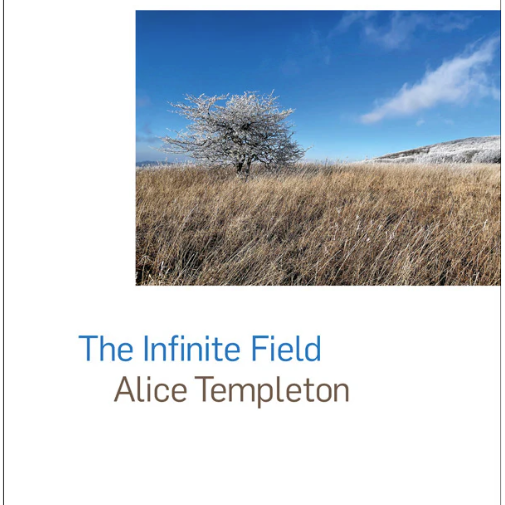
Review of Alice Templeton’s The Infinite Field by Trina Gaynon
The Infinite Field brought me to a new understanding of what it means to find one’s bearings. The phrase is not just a statement of where Alice Templeton stands but of how each of us is located in relationship to people, places, and time.
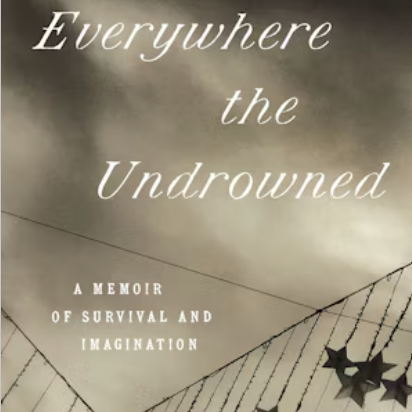
Review of Stephanie Clare Smith’s Everywhere the Undrowned by Laurel Ferejohn
Smith’s beautiful memoir, the first in UNC Press’s new literary nonfiction series Great Circle Books, leads us through her fourteenth summer and beyond. That summer of 1973, her mother went on a road trip, and she was left to spend six weeks at home alone in New Orleans. On the fifth of July, a man with a knife abducted her in his truck.
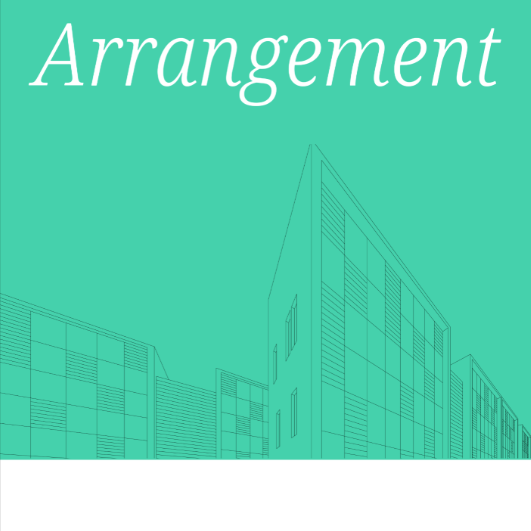
Review of Merridawn Duckler’s Arrangement by Rachel Barton
This book of thirty-five fictions includes voices glib, clever, stoic, cynical, and profound. The narrators are alternately marginalized, disillusioned, suicidal, vulnerable, playful, or imaginative. We see the author as a child, a preteen, a teenager, sister, and mother.
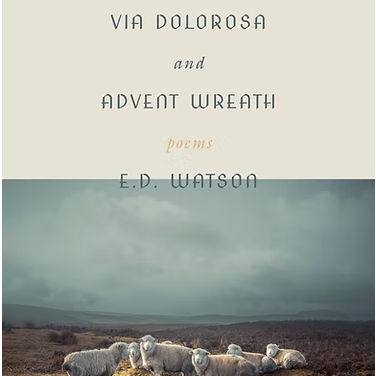
Review of E.D. Watson’s Via Dolorosa and Advent Wreath by Jonathan Fletcher
Imagine a pilgrimage in which the person on it admits at the beginning that she is no longer sure she believes in God. Imagine a pilgrimage that is littered with as much doubt as it is certitude. Imagine a pilgrimage that does not culminate in spiritual enlightenment but instead violently and irrevocably decenters the speaker, allowing for the most necessary of corporeal experiences (ironically, à la Jesus’s kenosis) and profound embodiment.
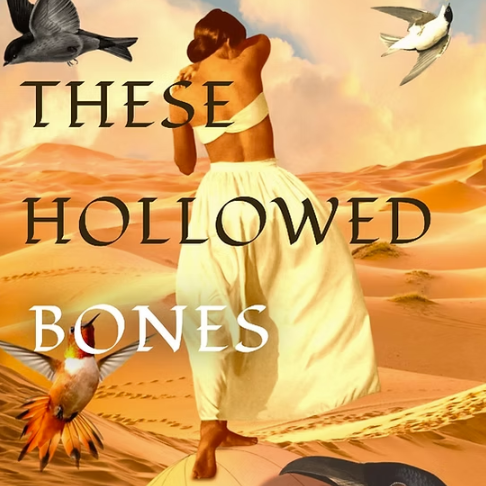
Review of Amelia Díaz Ettinger’s These Hollowed Bones by Brenna Crotty
I am not a bird person. Reading through each of the nearly fifty poems named after a different bird in These Hollowed Bones, Amelia Díaz Ettinger’s fourth collection, I recognized maybe a quarter of the species. Yet Ettinger’s direct and observational language drew them to life effortlessly before me: a mischief of magpies descending on a skunk carcass, the white-crown sparrow a fat brown scoundrel with prison lines on her head, and the black-capped chickadees, after a blizzard… speckl[ing] / the blinding snow with dee-dee-dee.
Review of Andrea Potos’s Her Joy Becomes by Ingrid Andersson
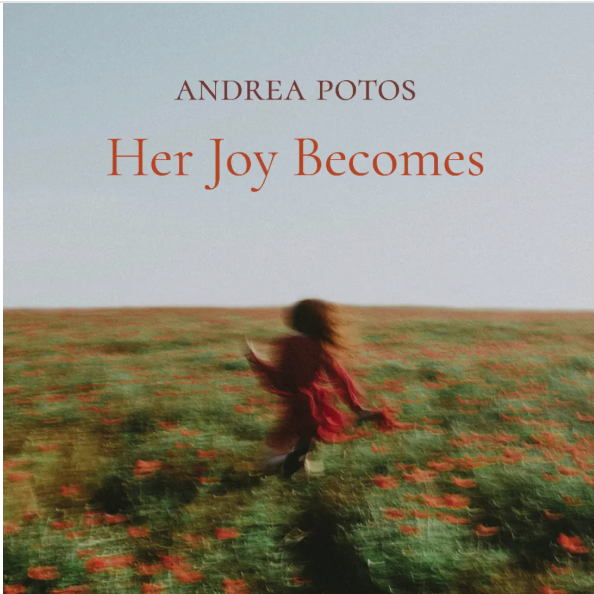
A brown-haired child in a red-petal dress twirls away from the viewer through a blur of poppies: one glance at the newest book of poetry from Andrea Potos, Her Joy Becomes, reveals a portal into this poet’s world.
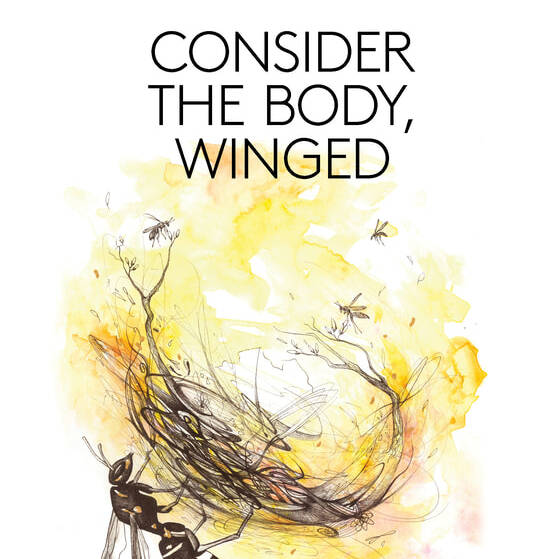
Review of Jessica Pierce’s Consider the Body, Winged by Debbra Palmer
In Consider the Body, Winged, we meet someone very special even before the first poem begins. It’s Pierce’s nine-year-old self, to whom she dedicates this book: Thank you for being brave enough to say, I am a poet. Here is our first book. I love you.
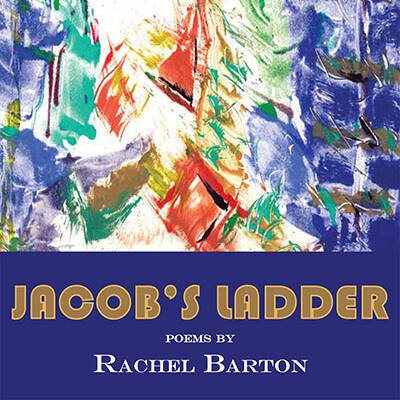
Review of Rachel Barton’s Jacob’s Ladder by Merridawn Duckler
Lately I’ve been entertaining myself with notions about a particular division—poets that look out on the world and those that look inside themselves. Barton’s wonderful Jacob’s Ladder brought me to a third category, for this is a poet that looks inside herself and sees an entire world. As the titular poem of the collection puts it, her voice is singing on the inside.
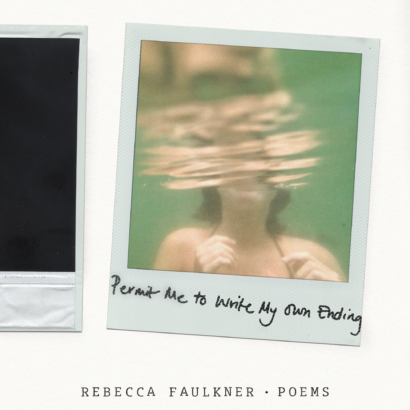
Review of Rebecca Faulkner’s Permit Me to Write My Own Ending by Brenna Crotty
Permit Me to Write My Own Ending, Rebecca Faulkner’s harrowing collection of poems, exists almost outside of time. It is not a narrative trajectory of a single speaker, yet the I dominates the landscape of her work, a litany of first-person perspectives so that each poem could be spoken by any girl, woman, or mother at any time.
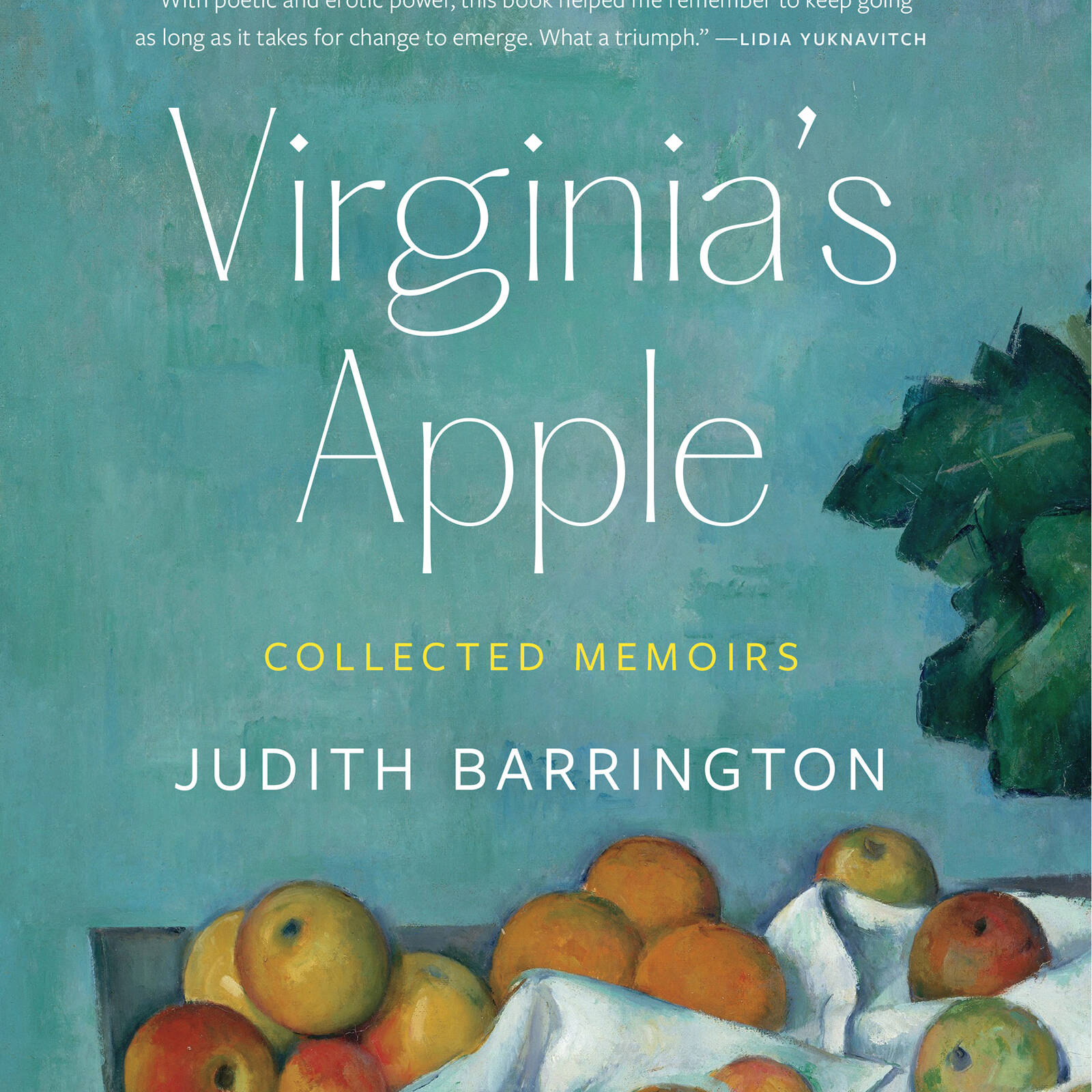
Review of Judith Barrington’s Virginia’s Apple: Collected Memoirs by Marie-Elise Wheatwind
Internationally known poet, professor, and writing teacher Judith Barrington’s new book, Virginia’s Apple: Collected Memoirs, is a gathering of fourteen prose pieces, published previously in journals, now edited “to make them one longer narrative.” It is an important memoir encompassing second-wave lesbian, feminist, creative, academic, and political communities. Barrington’s activities and explorations stretch from the United Kingdom and Europe to the United States, where she eventually settled in the Pacific Northwest.
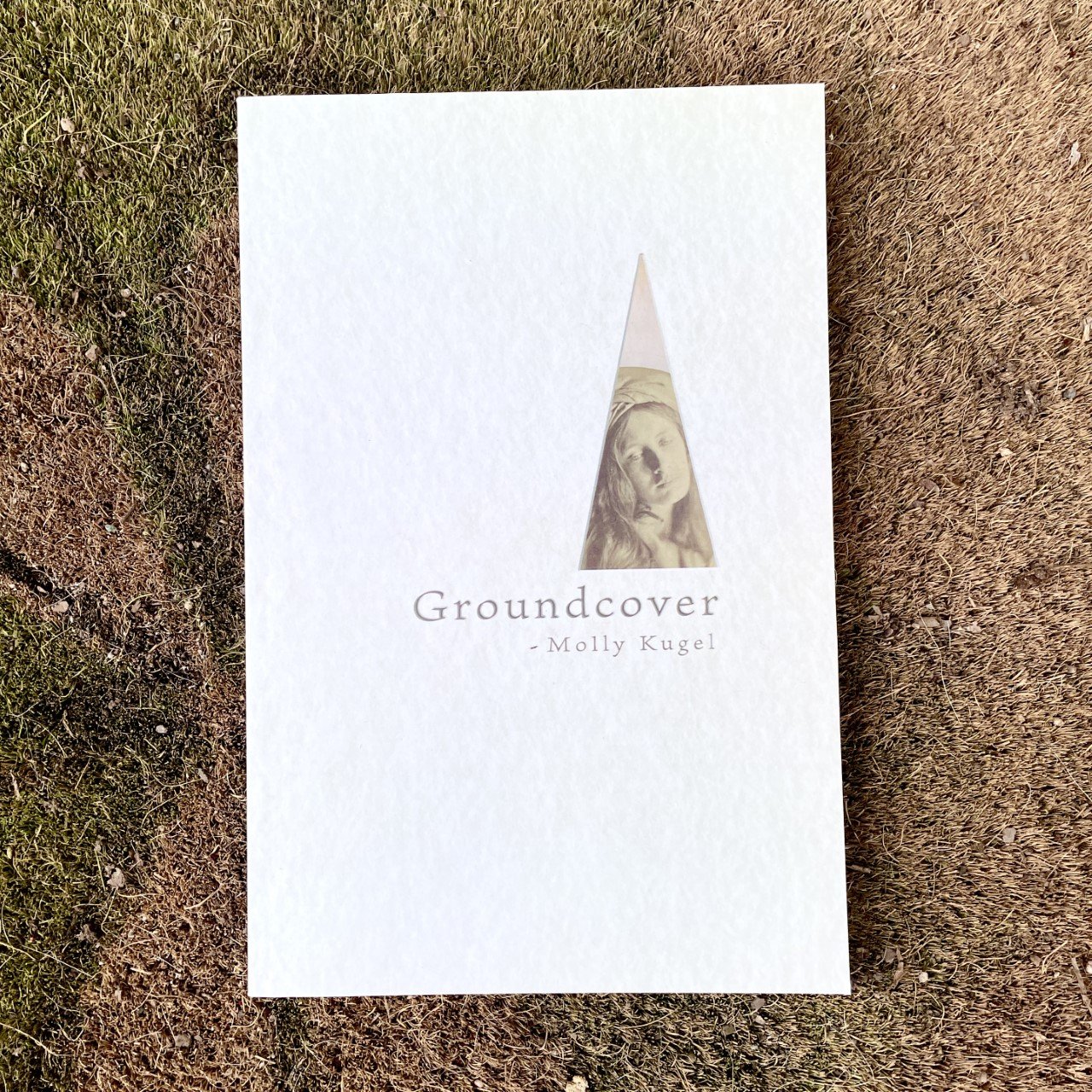
Review of Molly Kugel’s Groundcover by Alison Turner
If collections of poems are plots of land, then Molly Kugel’s debut collection, Groundcover, is my type of terrain. There is botanical expertise here but only as a twining with the speakers’ memories. The past coils around the present; history covers the ground and the ground covers something else. Most of the collection’s poems are free verse in a variety of stanza formations between one and two pages long.
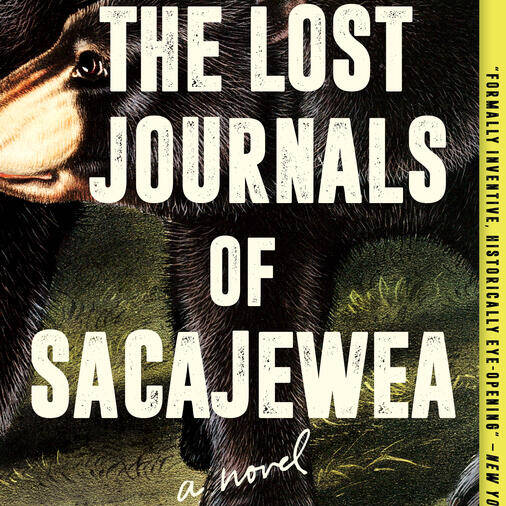
Review of Debra Magpie Earling’s The Lost Journals of Sacajewea by Beth Russell
The Lost Journals of Sacajewea, Debra Magpie Earling’s second novel, is a stunningly crafted, linguistically intricate, morally challenging resilience narrative. The power of the book–like the spell cast by the author’s voice–emerges from the marriage of courage and complexity. Calling into question much of what we believe we know about the past and suggesting that this past has rapidly emerging implications for our future, the book is prescient, compassionate, heartfelt, and breathtaking.
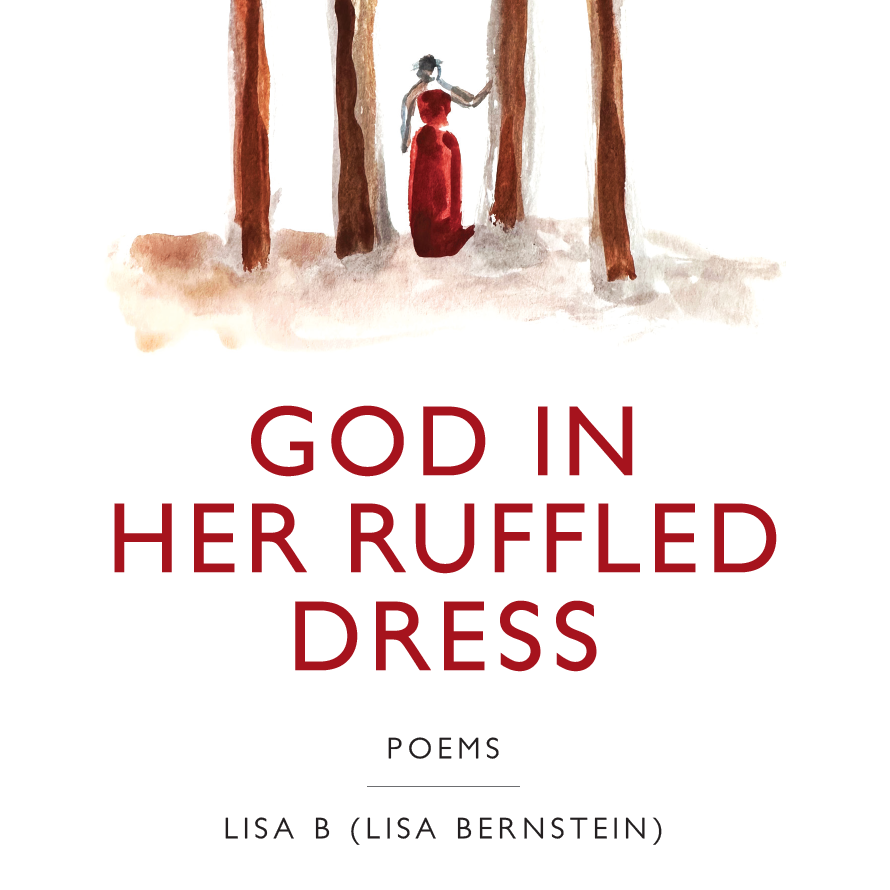
Review of Lisa B’s God in Her Ruffled Dress by Bethany Reid
Toward the beginning of God in Her Ruffled Dress, the poet is commanded, Write me, write me, write me, and Lisa B writes—lines clenched between her teeth like a bridle’s bit or the pit of a sour cherry. From its provocative title to the last sentence, this strange, heretical book surprises, devastates, and delights.
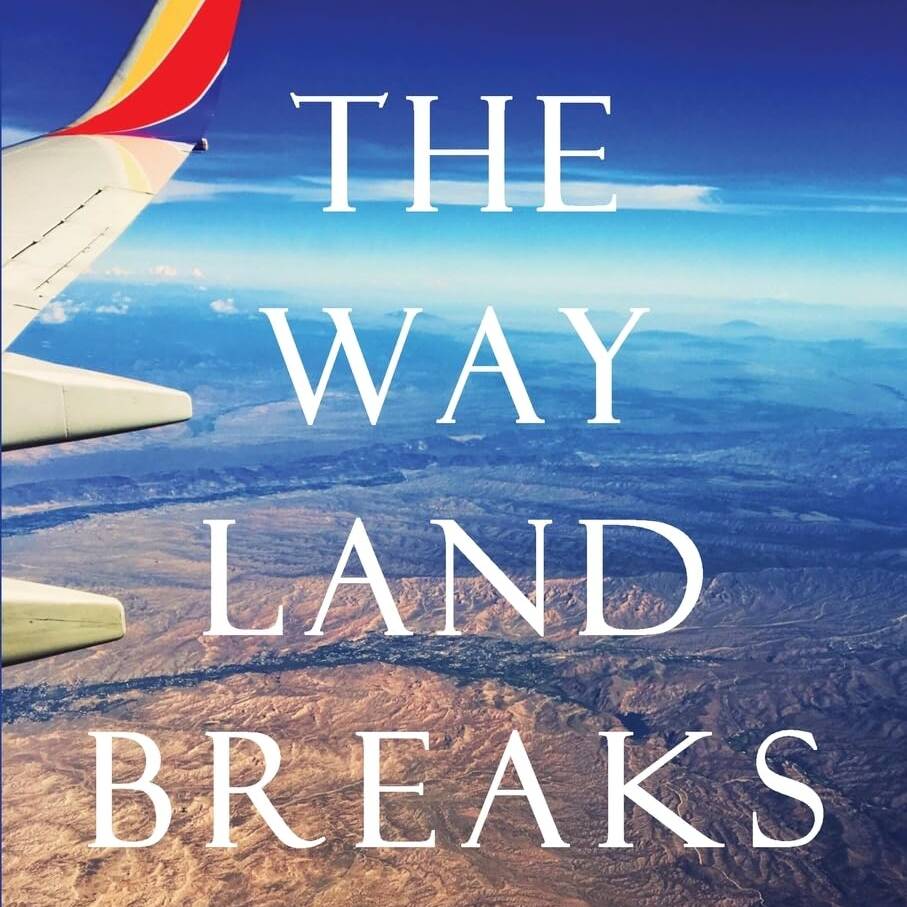
Review of Rebecca Brock’s The Way Land Breaks by Bonnie Proudfoot
The typical cruising altitude of a Boeing 737 passenger jet is around 37,000 feet. From the porthole on a clear day, the topography is a series of patterns and shadows. Air travel provides a sense of separation from day-to-day intensity, yet for those who enjoy the view, there is a chance to parse out the geologic, seek out texture and patterns, draw upon the perspective that seven miles above the earth can bring.
Review of Rebecca Turkewitz’s Here in the Night by Jan Priddy
Rebecca Turkewitz offers thirteen stories in Here in the Night that are all too convincing in their darkness. Women hear voices, are confronted by indignant owls and toothless children, are granted illusions of safety and then abruptly find their certainty guarantees nothing. Ghosts squat in an elevator, wait on railways, and are revealed in lightning. Women are lonely, looking for work, looking for family, comfort, partners, home.
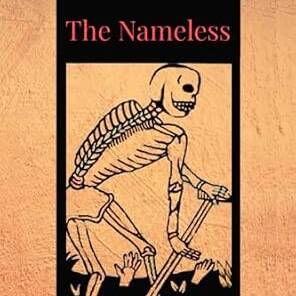
Review of Brandi George’s The Nameless by Autumn Newman
Open The Nameless and you are immediately submerged in an overwhelmingly lush and surreal world:
Dear creatures from the underground, nematodes, earthworms, tangles of synapses, dirt symphonies, the ruffled collars of pea-green lichen who sing only about the sea, indigo air humming with moon-strings.
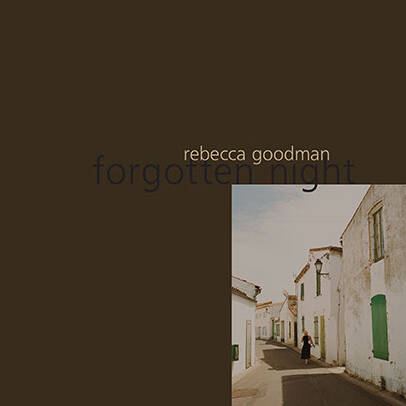
Review of Rebecca Goodman’s Forgotten Night by Linda Kalaj
Each space a contemplation of the illusionary night. Dusk must meet night and night must meet dawn. The space between night and dawn may seem still, forgotten, suspended, but nothing about night can be forgotten once darkness meets light. Rebecca Goodman’s Forgotten Night embarks on a journey of remembrance.

Review of Elizabeth Majerus’s Songs Are Like Tattoos by Sibyl James
Because so many poems in this collection carry titles and bits of lyric from the songs on Joni Mitchell’s Blue album, I donned my earbuds and listened to Mitchell perform them. Perhaps because my mind was so suffused with them, I found myself hearing the rhythms and lilt of Mitchell’s voice in the music of the poems by Majerus. I had been looking for some kind of dialogue between the songs and poems; I found a duet instead.
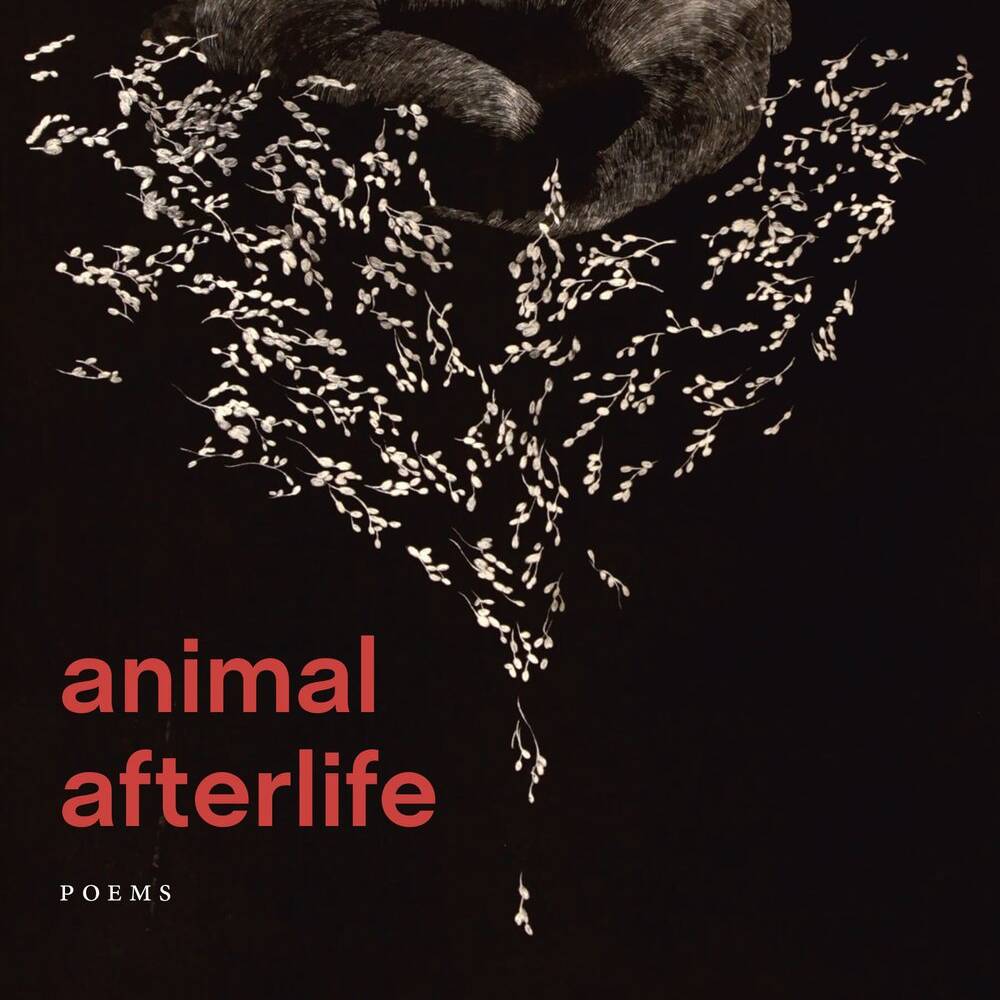
Review of Jaya Stenquist’s Animal Afterlife by Brianna Flavin
I read this collection shortly after the sudden death of one of my best friends. I picked it up, even though I didn’t feel any spark for art. I started reading in the bath. Then I was on the bathroom floor, water cold, a little shocked to return to myself in human form, holding a book.
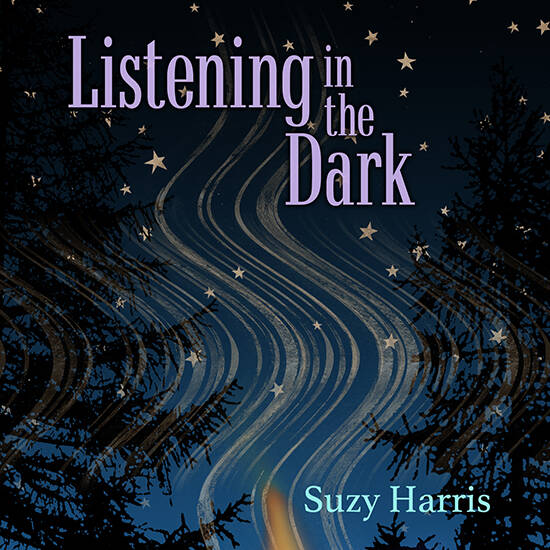
Review of Suzy Harris’s Listening in the Dark by Brenna Crotty
Listening in the Dark is a slim chapbook, but that by no means makes it slight. Hard of hearing her entire life and fitted with a cochlear implant in her sixties, Harris takes the experiences of deafness and—with stark language and no end of gentle humor—creates tightly woven poems that explore the difficulties of communication, the expansiveness of silence, and the wonder at hearing sounds for the first time.
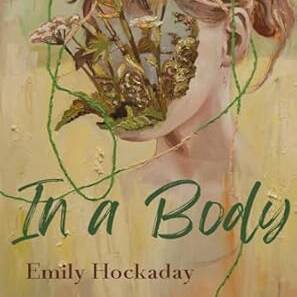
Review of Emily Hockaday’s In a Body by Sarah Cedeño
To read In a Body by Emily Hockaday, for me, was to come to terms with the conflicts human souls have with our bodies throughout our lives. It makes us starkly aware that we are not the same as our bodies, that we might exist outside of our bodies, but acknowledges that, as living beings in a material world, we do not.
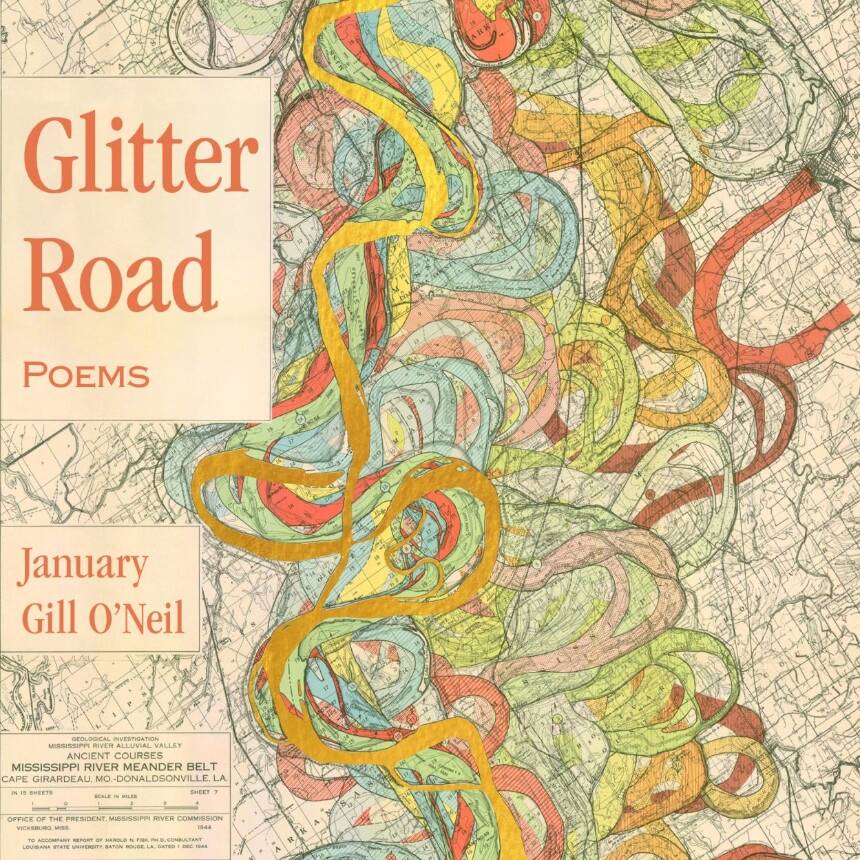
Review of January O’Neil’s GLITTER ROAD by Chase Browning
January O’Neil’s Glitter Road (2024) in some ways continues the lyrical arc that began in her two previous collections, Misery Islands (2014) and its follow-up Rewilding (2018). But her latest collection is distinguished by something else: poems that deftly merge form and content, and the tangible and profound effects that relocating from Massachusetts to Mississippi has had on the author and her writing.