
Fifty Years of Herstory
An Interview with Diana Oviedo by Anaïs Godard
Get the 50th anniversary issue of CALYX Journal here
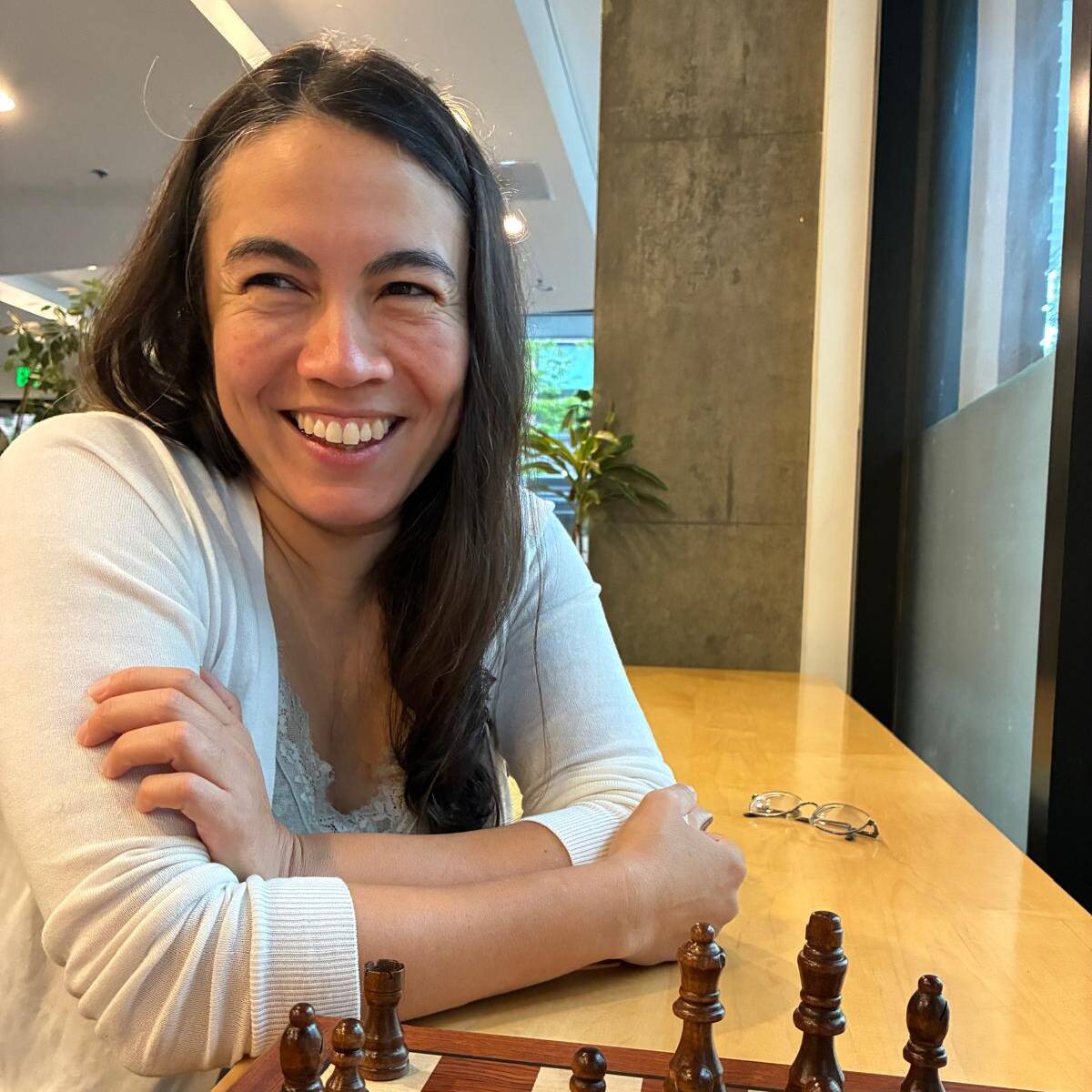
Diana Oviedo began her relationship with CALYX as an office volunteer and an Art Collective member. She now serves as the Art Editorial Coordinator, shaping the journal’s visual voice at a moment when feminist art feels both urgent and expansive.
In this conversation, she reflects on CALYX as a living community, on art as emotional and spiritual journey, and on why visual work remains essential to feminist publishing now.
CALYX isn’t just a journal. It’s a sustained, living community.
Q1. You began as an office volunteer and now shape CALYX’s art vision. What did working on the ground teach you about the magazine’s relationship to artists and to the Pacific Northwest community?
Working in the CALYX office immediately gave me a sense of how deep the organization’s roots are. There was always a collective effort, across generations, to keep CALYX’s vision alive. I briefly met Margarita at her celebration of life, and being in that space made it clear that CALYX isn’t just a journal. It’s a sustained, living community.
Although CALYX has long worked closely with universities—especially OSU—it has always been a freestanding entity, with strong ties to the broader Pacific Northwest. Artists came from many backgrounds: academic, self-taught, local, transitory. That openness mattered deeply to me. It affirmed that having something meaningful to say doesn’t depend on training or credentials but on the urgency and honesty of the work itself.
Q2. When you review visual submissions, what makes a piece feel like CALYX?
Being part of a collective means there isn’t one single “CALYX image.” Each editor brings their own way of seeing, and that multiplicity is a strength. What excites me most is work that isn’t afraid of a journey, of arriving at an expression of feeling or story.
That journey might look like quiet water, or a long path reaching toward ancestry and memory. The common thread is movement: emotional, spiritual, or both. The work invites the viewer to travel with it rather than simply observe from a distance.
There isn’t one single “CALYX image,” and that multiplicity is a strength.
Q3. How have you seen feminist visual art shift over the past decade? What themes are emerging, or re-emerging, in the work you see?
Certain themes surface again and again: loss, rapture, and emotions hardened by repression or neglect that finally break through as a cry. We’ve had the privilege of engaging with artists over time, some returning repeatedly with work that confronts pressing issues by approaching the political as deeply personal.
I’m struck by how often bodies of work emerge from pivotal life events: profound loss, moments of joy, rupture, or transformation. In these instances, art becomes not just expression but a way of processing and reshaping experience into something shared.
Q4. If you had to name one thing this moment in history demands from feminist publishing, what would it be?
It’s hard to imagine a more urgent time for CALYX to be present. The journal has witnessed many pivotal moments in American history, and now it must continue to act as a beacon, maintaining a living connection to those who came before us while fiercely protecting a space where writers’ and artists’ voices can be fully and freely expressed.
CALYX has always been a clear, vocal cry toward a better tomorrow, one in which all voices are heard.
Q5. Is there anything else you’d like to add?
Now that I’ve relocated to the East Coast, I’m excited to imagine a future where CALYX is not only a household name in the Pacific Northwest but recognized nationally and connected to voices across the globe. I believe there are sisters watching the US, finding sparks of hope in publications like CALYX.
I’m also excited about expanding our visual arts presence: receiving more submissions, offering art prizes, and reaching more artists through our digital submission platform. I hope this helps bring even more visual voices into conversation with CALYX’s readers.
Anaïs Godard is a Franco-American writer based in Los Angeles, CA, and former television producer who spent a decade interviewing celebrities. She is the 2025 Mike Resnick Memorial Award winner and a Letter Review Prize recipient. Her work has been published in McSweeney’s, Hobart, Fractured Lit, and elsewhere.