“Crosscurrents” by Stacie M. Kiner
“My father’s ashes
sit on a bookcase,
waiting for a promised trip
to San Francisco,
where he spent the
best years
of his life.”

“My father’s ashes
sit on a bookcase,
waiting for a promised trip
to San Francisco,
where he spent the
best years
of his life.”
“There are worse fates.
At least we didn’t end up
as some nacreous gimcrack souvenir:
‘Greetings From San Fran’ in mother-of-pearl.”

“I read this collection shortly after the sudden death of one of my best friends. I picked it up, even though I didn’t feel any spark for art. I started reading in the bath. Then I was on the bathroom floor, water cold, a little shocked to return to myself in human form, holding a book.”
“If I could just get one thing done
If I could set the to do list on fire
If I could create a clearing
I might hear the Japanese maple outside the window
whispering in stillness and light”
“We leave in a respected line
wearing red:
We’ve been sent good weather,
orange fish that flip over beneath the bridge,
a building of rust-colored brick that you exit as if from your body.
You can’t have everything.
No one has everything.”

Rare is the child, or adult for that matter, who doesn’t wonder what it would be like to lose a sense. I was six or seven the first time I wondered—lying on my stomach in the front yard of our house in San Mateo, the grass cool, prickling against my bare belly, the light stippling through the leaves of the elms that ringed our yard and round a circle of children, siblings and friends, heads close together, whispering,
“What would you rather be: deaf or blind?”
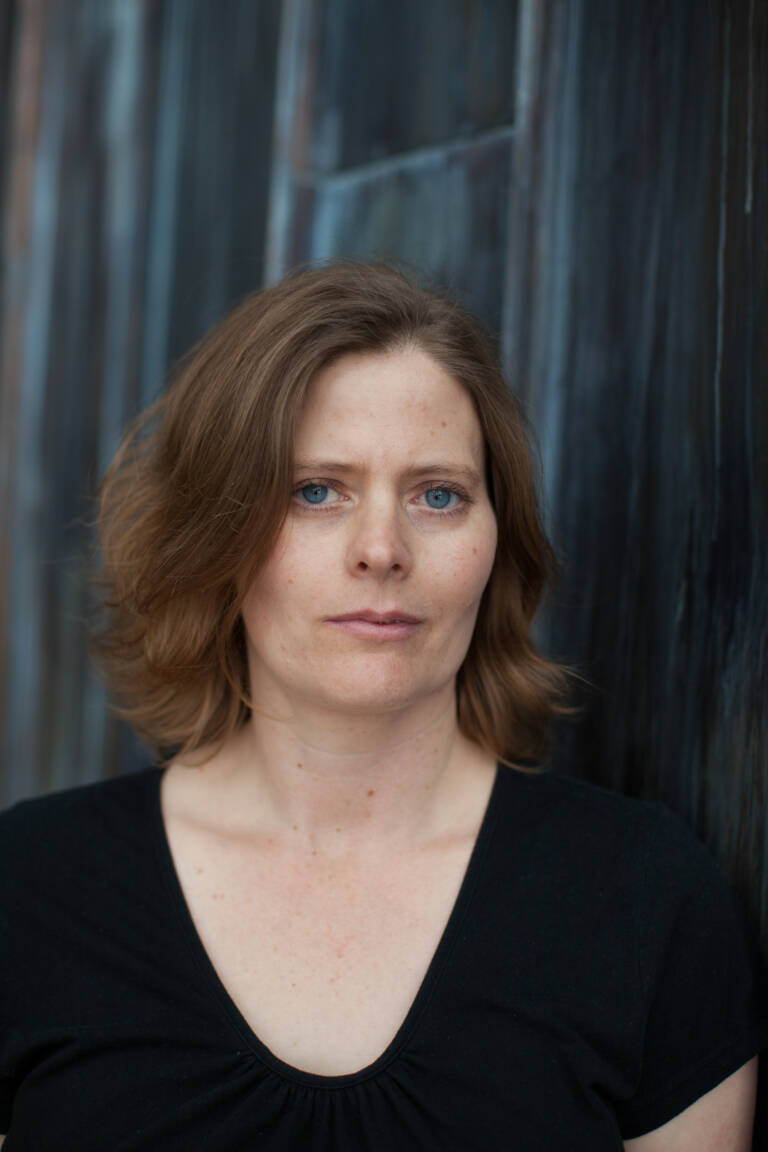
“he needs
to quit drinking before he dies
of it. He says he hasn’t driven
in nine months, that he’s been
losing friends and took today
off work to get his act together.
I ask how he plans to stop
and he says he’s just going to.”
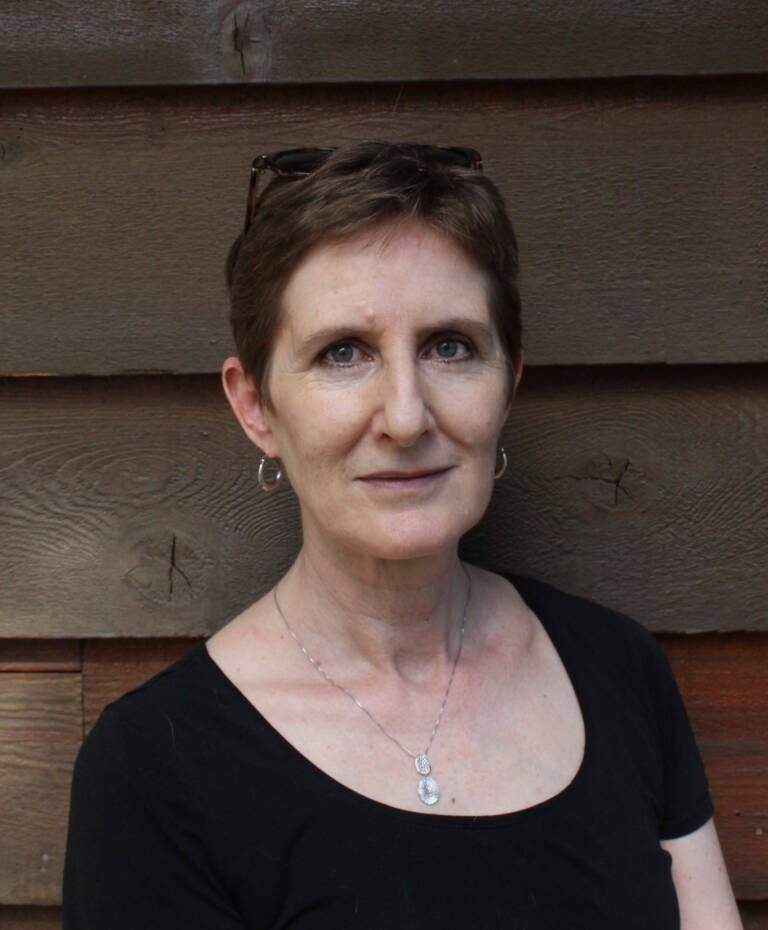
“Beyond the windows the sun was buckling off paving stones, off shutters and white-painted walls, and even in here where the air was antiseptic and cool we talked slowly, moved slowly, cleaned wounds and took blood slowly. It had been long enough since the door had opened that we paused at the squeal of its hinges, noticed the parched breath of the desert sweep in.”
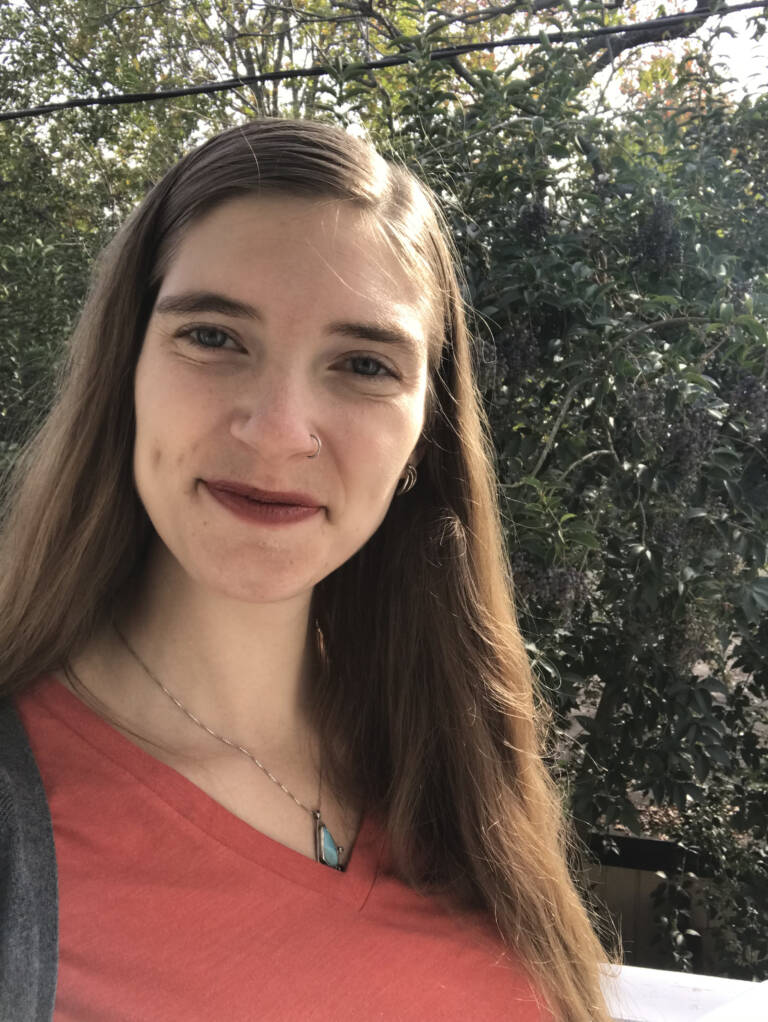
“Woman Pissing takes Picasso’s bravado-soaked declaratives and subjects those claims to a bloodletting. Cooperman’s narrator invokes Julian Barnes’ assertion that Picasso dramatically simplified art. One page later Cooperman demonstrates thus: Because Bonnard kept watching the sky, it became a dozen different colors. / How hilarious that Bonnard cannot paint a sky blue! thought Picasso.”
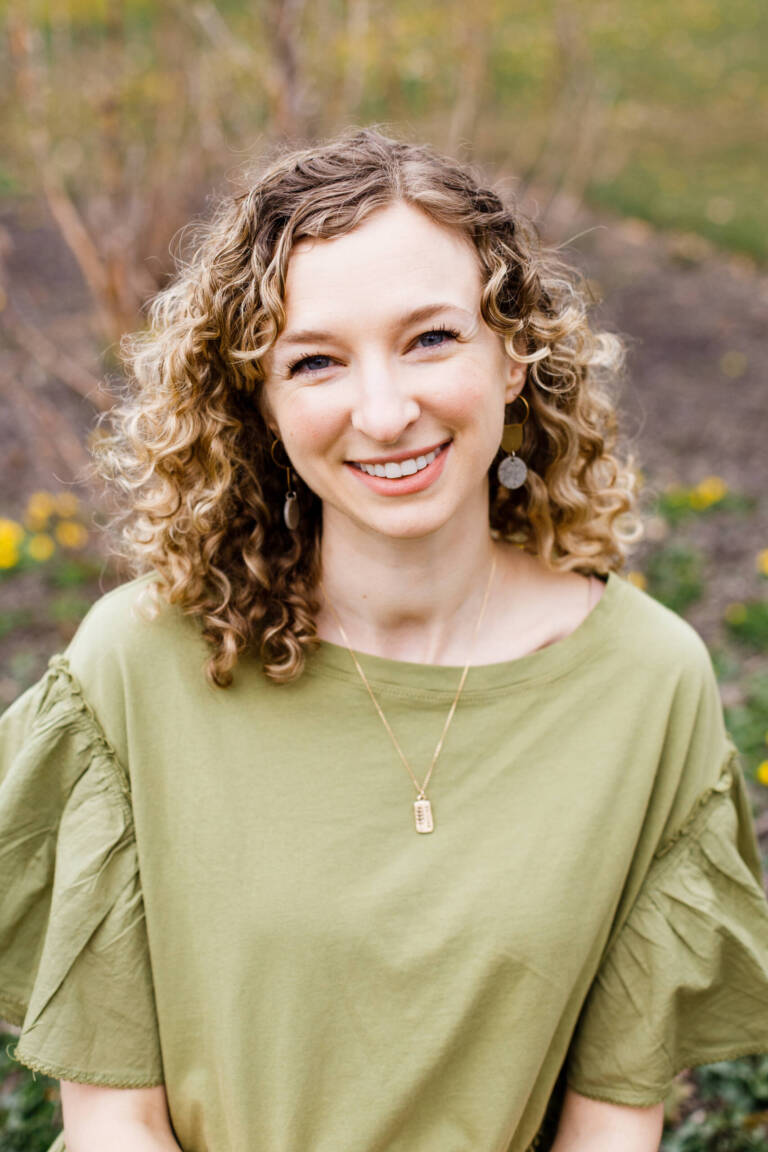
“You are two and each day is a world
in which to peel gold pawpaw leaves
from the path; to plunk pebbles
in water, one by one; to trace tar
ribbons on cement in watermelon
rainboots”