
Fifty Years of Herstory
An Interview with Willa Schneberg by Anaïs Godard
Get the 50th anniversary issue of CALYX Journal here
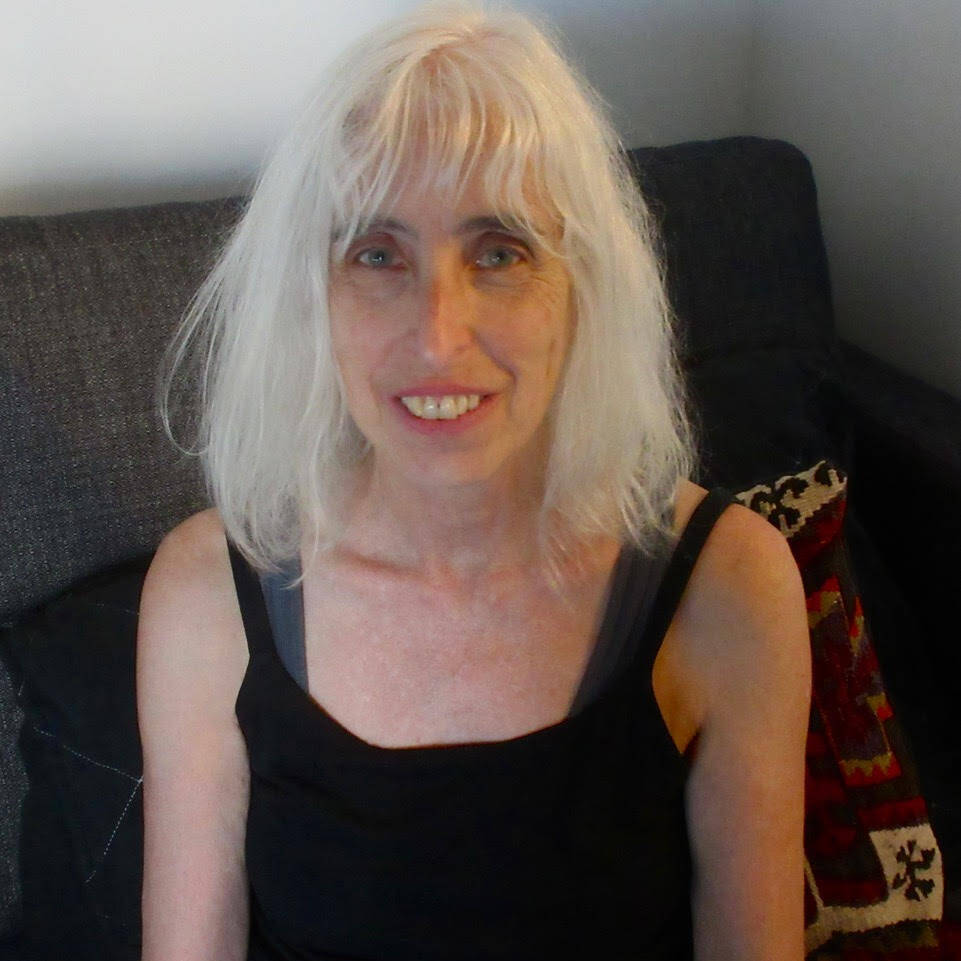
Willa Schneberg has been writing long enough to know that literary careers aren’t built by accident—they’re built by communities that pay attention.
A poet, memoirist, visual artist, and longtime feminist writer, her work has appeared across CALYX’s pages in many forms, and her book Storytelling in Cambodia was published by CALYX Books in 2006. In this conversation, Schneberg reflects on feminist publishing as lineage rather than ladder, on the editors who shaped her work with rigor and care, and on why internationalism, moral clarity, and courage still matter, perhaps more than ever.
Feminist publishing is lineage rather than platform.
Q1. Your relationship with CALYX spans books, poems, memoir, visual art, and board work. What has this journal offered you as a writer that felt different from other literary homes?
I’ve always been drawn to feminist publications. My first collection was published in 1979 by Alice James Books, a cooperative press in Cambridge founded by women and gay men to showcase marginalized voices. But when I moved to Oregon in 1993, CALYX became my literary home.
In 2006, when CALYX was still publishing books, I had the great honor of having my third collection, Storytelling in Cambodia, published by CALYX Books. Reviews of other collections of mine were also published in CALYX Journal, as were my poems, an essay about when I was an artist-in-residence in Kathmandu, and visual art.
Q2. You knew Margarita well. What did she bring to your work, or to CALYX more broadly, that you still feel in the journal today?
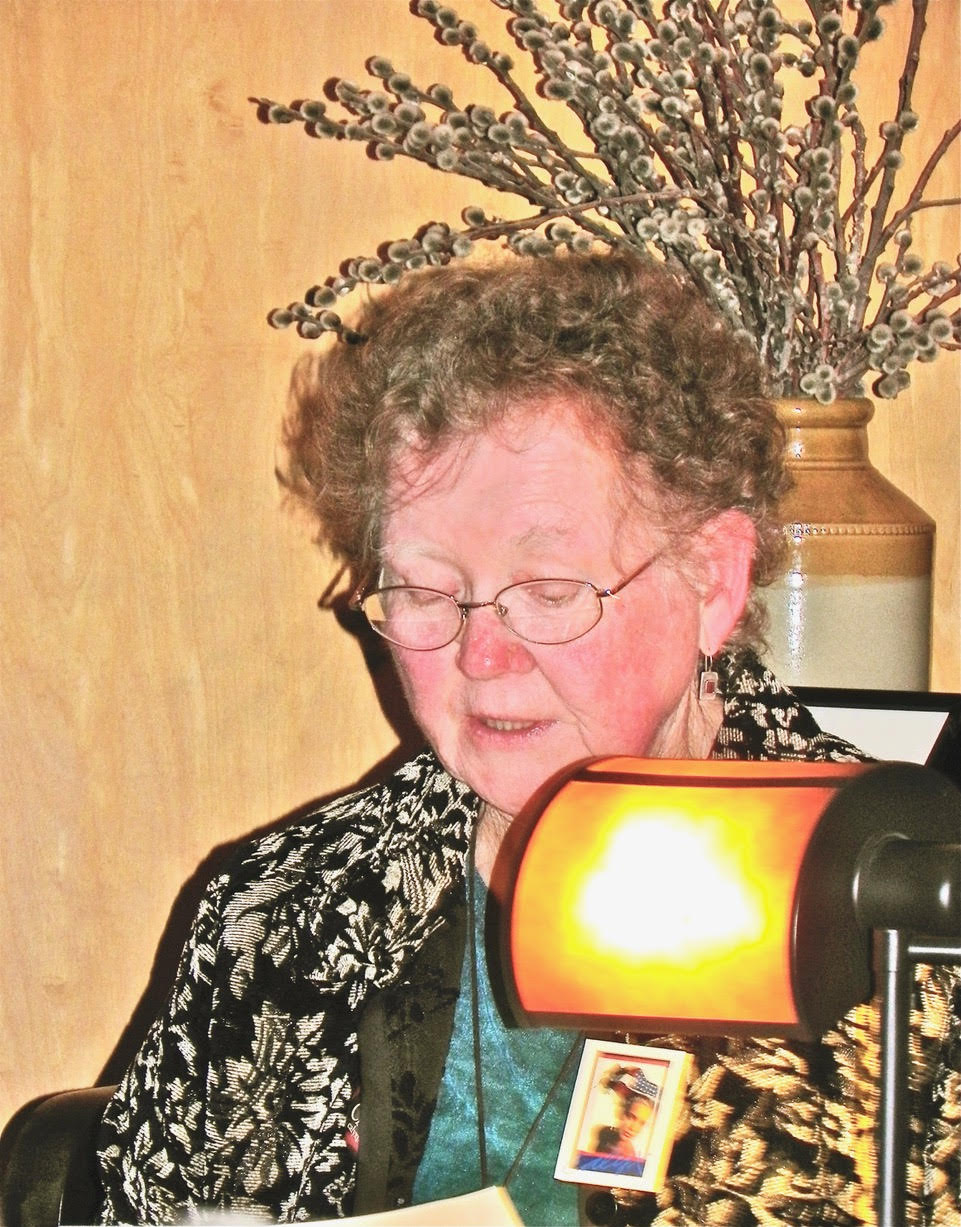
Margarita was charming, caring, loquacious, and one of the most untidy people I’ve ever had the pleasure of knowing. When I visited her home in Corvallis—she’d often pick me up at the Albany train station—I sometimes had to dance around manuscripts, books, and journals scattered everywhere.
Sarah Lantz introduced me to Margarita and helped me place Storytelling in Cambodia directly into her hands. I was later told, perhaps apocryphally, that the manuscript was lost in a pile in Margarita’s house and rediscovered nearly a year later. After Sarah died of brain cancer, Margarita and I read from her collection Far Beyond Triage together at various venues. I later published elegies for both of them in CALYX Journal.
Margarita and CALYX were committed to publishing international women writers and women writers of color, a tradition that continues today. I was impressed by The Forbidden Stitch: An Asian American Women’s Anthology in 1989.
In 2018, when I was an artist-in-residence in Kathmandu, Senior Editor Brenna Crotty agreed to publish my essay “Where Guests Are Gods: A Poet’s Sojourn in Kathmandu.” But she also asked whether there might be a Nepali woman writer whose work could appear alongside it. That’s how Jaleswori Shrestha’s short story “Broth of Nettles” came to be published in the same issue. That kind of editorial thinking is very much Margarita’s legacy.
I have never had an editor with the expertise and attention to detail of Beverly McFarland.
Q3. You’ve published widely. How did CALYX’s editorial approach shape your work over time, in both craft and courage?
I have never had an editor with the expertise and attention to detail of Beverly McFarland. She made Storytelling in Cambodia lift off the page. She worked effortlessly with glossaries and terms in Khmer, Vietnamese, Burmese, Thai, and French—and with my “Brooklyn inversions.” I’ve published six collections now, and I don’t believe I’ll ever have an editor as superb as Beverly.
CALYX is also unique in letting writers know when their work is being held over with a small group of submissions. Most publishers simply send rejections. CALYX often didn’t accept my poems, but knowing that my work was taken seriously meant a great deal. That kind of editorial respect stays with a writer.
Q4. If you had to name one thing this moment in history demands from feminist publishing, what would it be?
I felt the Special Issue: Celebrating the Centennial of the 19th Amendment in 2020 was essential. I would love to see an issue devoted to the end of Roe v. Wade, to abortion, and the absence of reproductive rights in our country today.
Anaïs Godard is a Franco-American writer based in Los Angeles, CA, and former television producer who spent a decade interviewing celebrities. She is the 2025 Mike Resnick Memorial Award winner and a Letter Review Prize recipient. Her work has been published in McSweeney’s, Hobart, Fractured Lit, and elsewhere.