Vol. 20:2
$10.00Released in Winter 2001-2002.
COVER
“Calling the Rains” by Camie Davis (5.5’ x 3.5’, oil on canvas)

Showing 65–80 of 143 results

Released in Winter 2001-2002.
COVER
“Calling the Rains” by Camie Davis (5.5’ x 3.5’, oil on canvas)
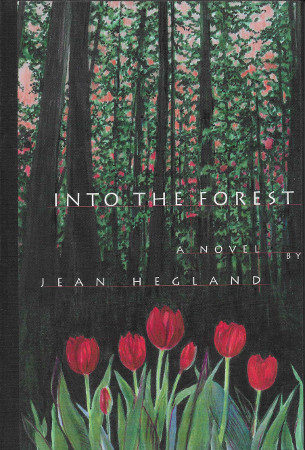
by Jean Hegland
Set in the near-future, Into the Forest is a powerfully imagined novel that focuses on the relationship between two teenage sisters living alone in their Northern California forest home.
Over 30 miles from the nearest town, and several miles away from their nearest neighbor, Nell and Eva struggle to survive as society begins to decay and collapse around them. No single event precedes society’s fall. There is talk of a war overseas and upheaval in Congress, but it still comes as a shock when the electricity runs out and gas is nowhere to be found. The sisters consume the resources left in the house, waiting for the power to return. Their arrival into adulthood, however, forces them to reexamine their place in the world and their relationship to the land and each other.
Reminiscent of Margaret Atwood’s A Handmaid’s Tale, Into the Forest is a mesmerizing and thought-provoking novel of hope and despair set in a frighteningly plausible near-future America.

Released in Summer 2001.
COVER
“Wishing Well” by Katherine Ace (36” x 48”, alkyd/oil)
Collector’s Edition

Released in Winter 2000-2001.
COVER
“Eritrea: The Chickens, 1999” by Betty LaDuke (50” x 54”, acrylic)

A 25th Anniversary Anthology from CALYX
Edited by Beverly McFarland, et al.
Our silver anniversary edition
The editors celebrate CALYX Journal’s silver anniversary with work that blazes a brilliant path across the literary world, work by well-known and up-and-coming CALYX discoveries. Cracking the Earth“grounds us in the things that matter,” Kathleen Alcalá writes in the introduction, and reminds us of “the reason for literature—to make us understand that we can crack the earth and change the world.”

Released in Summer 2000.
COVER
“The Ways of Two” by Bobbie Jansen (18” x 24”, oil on canvas)

Released in Winter 1999-2000.
COVER
“Belly” by Leslie Rech (clay, glaze, nylon, 18”x 20”x12”)

by Maxine Combs
There’s Opal Kirshbaum, an aspiring actress; Opal’s painter husband, Sol; Geneva Lamb, an English Ph.D.; Poppy Greengold, a single mother who’s fond of Goddess books; and guest lecturer Abel Moore, a visiting psychic whose predictions are accurate 33% of the time. All five of these people make up the Zoetic Society, an organization devoted to the exploration of the paranormal. This sassy novel is a romp through their lives, and the perfect quirky read.


by Patricia Grossman
Full of astute observations on modern lives, Four Figures in Time explores the struggle for art, ideas, and identity in a New York City art school. Sonja is an aging sculptor forced to take a teaching job to make ends meet; Claire, a sophomore in love with both French Impressionism and another woman; Danny, a working-class student fascinated by Mexican religious paintings and obsessed with Claire; and Otis, a middle-aged administrator and champion of disadvantaged students. Four Figures in Time reveals these very different individuals whose lives coincidentally – and irretrievably – intersect.


Released in Summer 1998.
COVER
“Note for the Stitched Fruit,” detail from collaborative installation by Anne Beffel and Ursula C. McCarty

by Harriet Ziskin
In this tale of adventure filled with magic and truth, sixty-five-year-old Mona Pinsky uncovers a plot of political manipulation and theft. She faces ridicule, anti-Semitism, and ageism as well as alienation from her daughter, but Mona refuses to be silenced. She uncovers the inner strength to stand by her convictions and to speak out on an enchanting and heroic journey.


by Rickey Gard Diamond
Second Sight is a haunting story of one family’s web of violence and a woman’s will to survive. Stoic hunter Gabrielle grows close to her vulnerable sister-in-law, Valley, as they deal with the increasing instability of Gabrielle’s brother, Robert. A decade later, in journal entries woven through the gripping narrative, Gabrielle struggles to understand the tragedy that she survived, and discovers the strength and forgiveness that grant her “second sight”. Compared to Margaret Atwood’s Surfacing.